The Gaia LabExploring landscapes across the Solar System

Introducing the

Gaia Lab at MIT, 2025
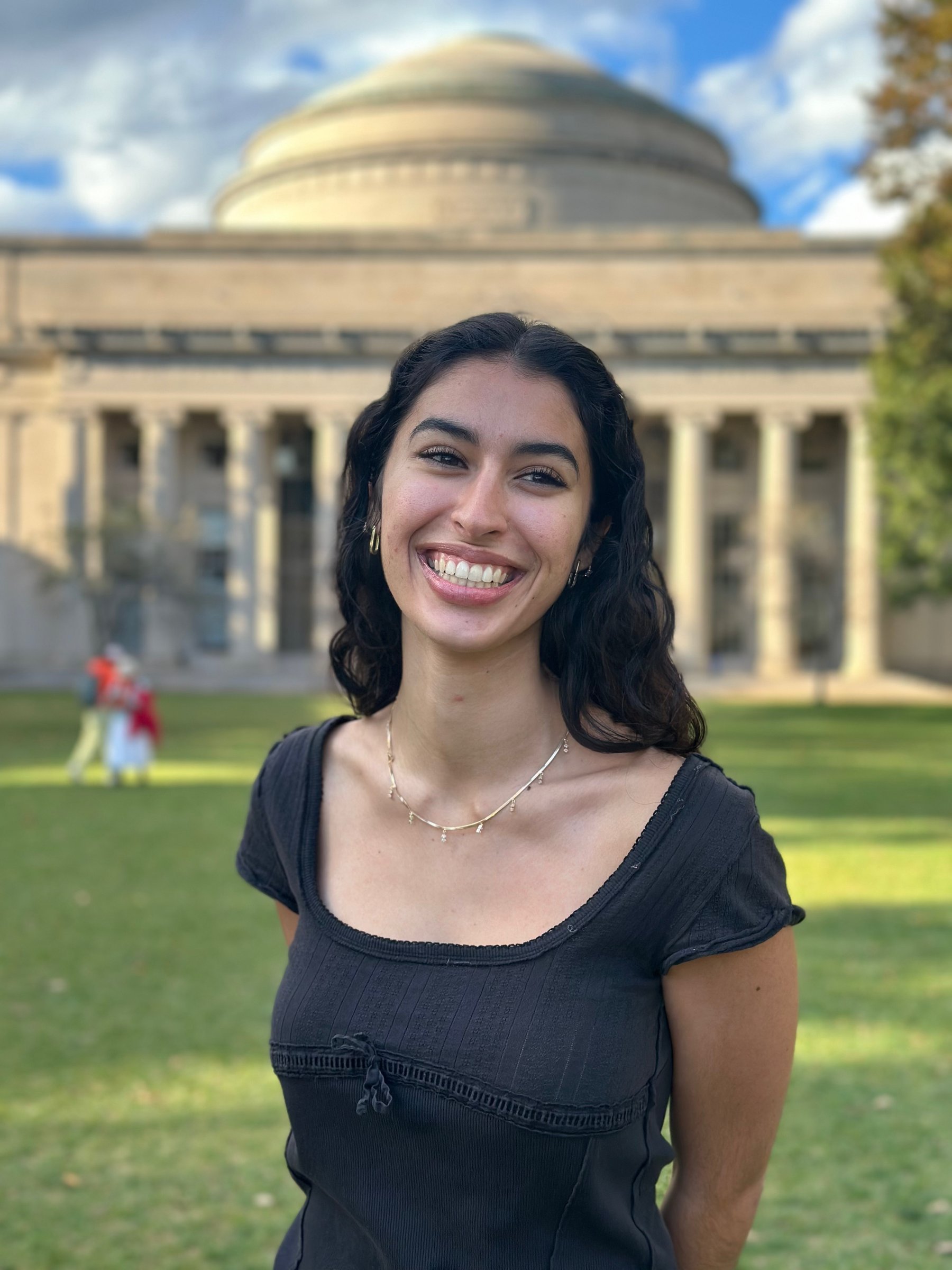
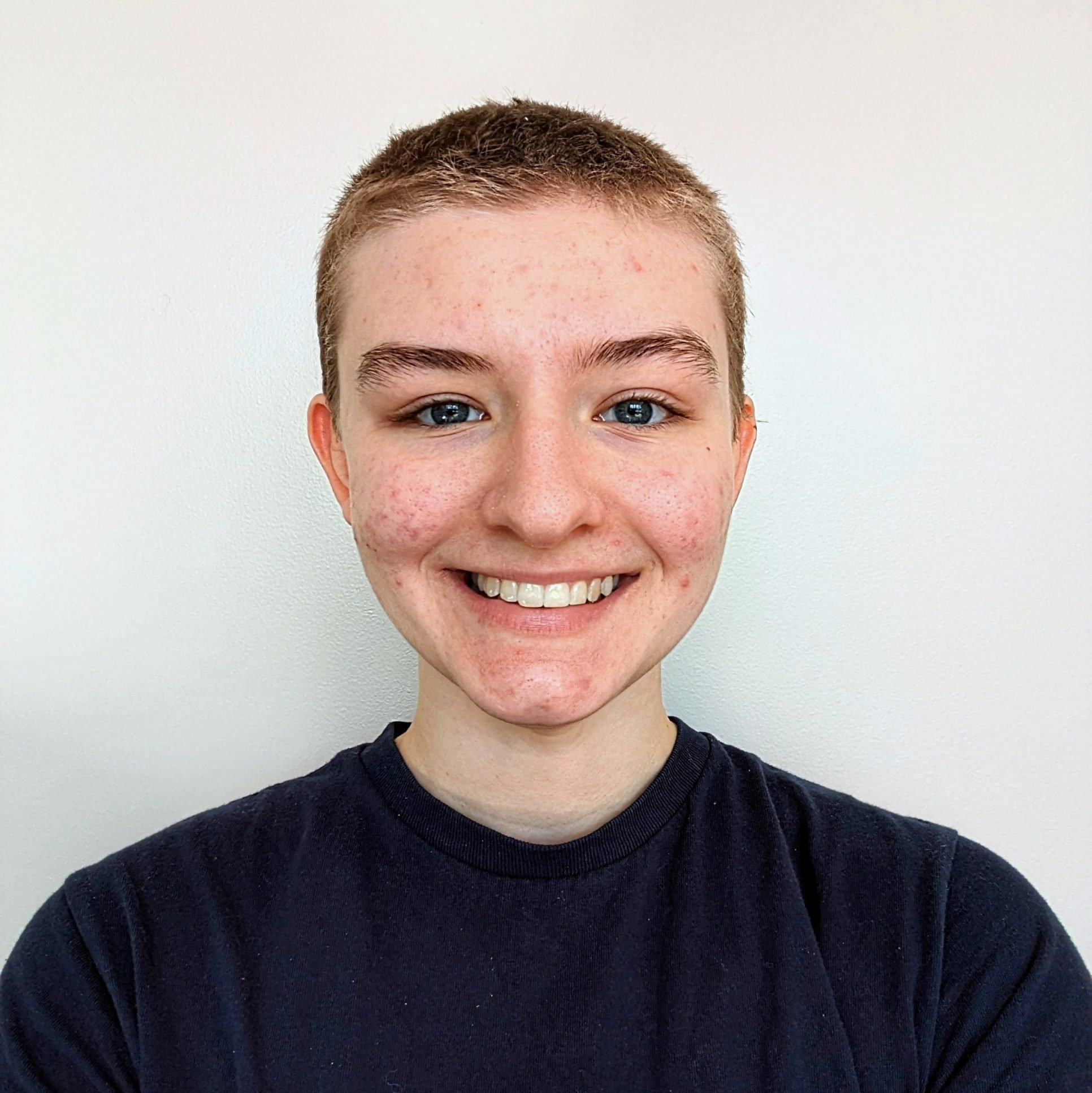
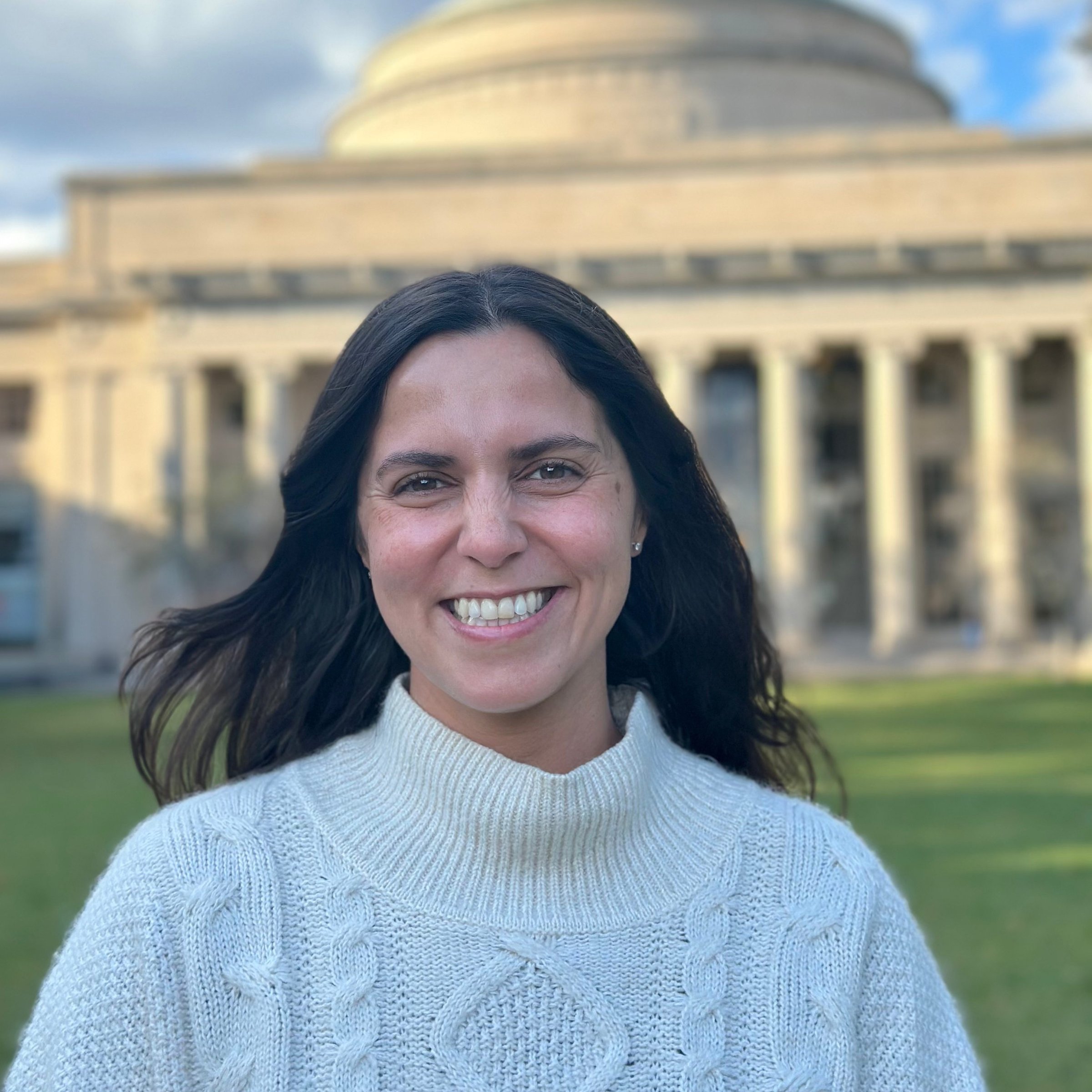
Gaia Stucky de Quay

Gaia Stucky de Quay

Principal Investigator

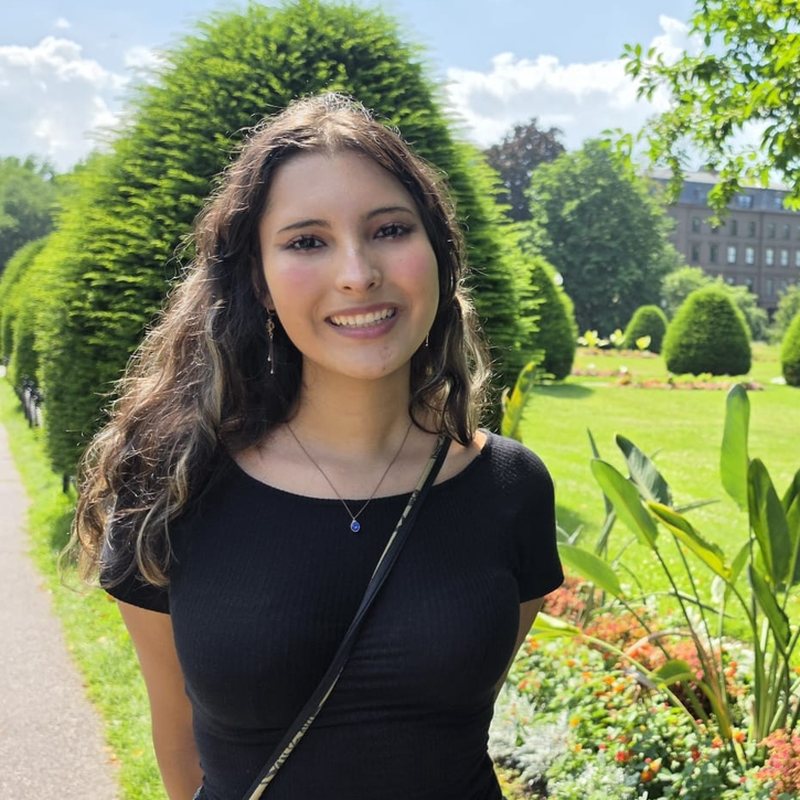
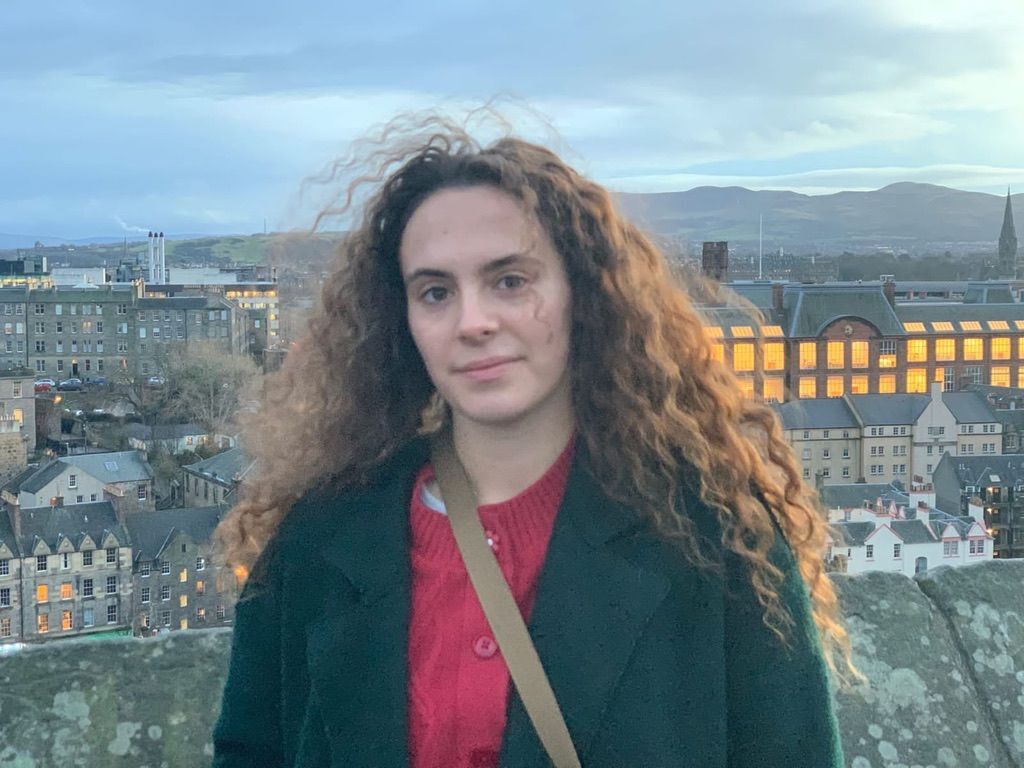
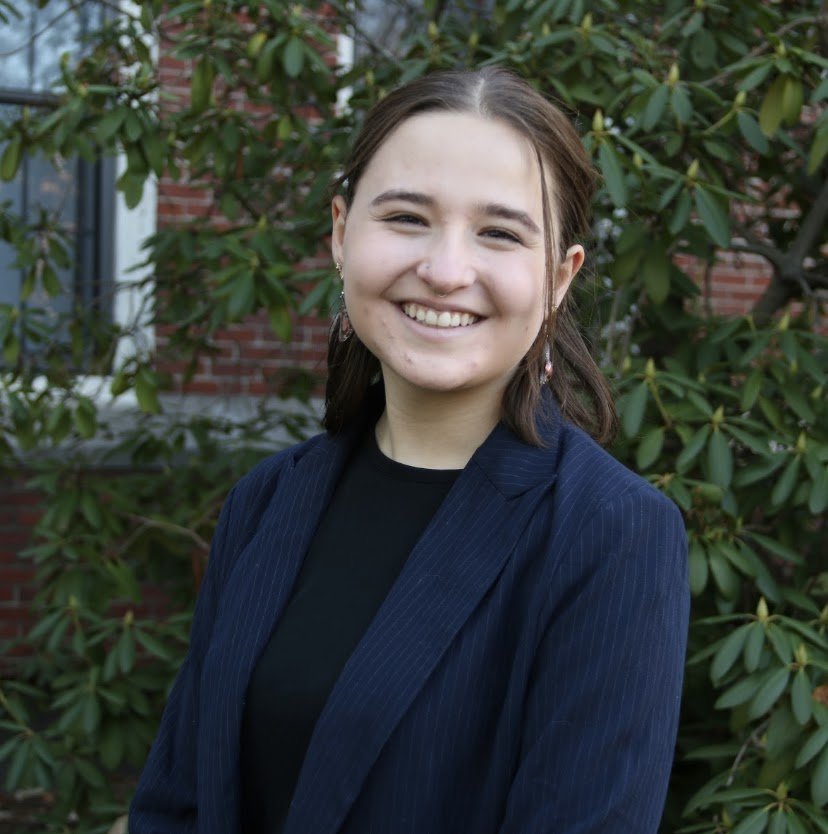
Hi, I'm Gaia (she/her). I'm an Assistant Professor at the Department of Earth, Atmospheric and Planetary Sciences (EAPS) at MIT. Born in Brazil, with Spanish citizenship, and raised in Portugal, I feel right at home in the warm, tropical climate of Boston. Before I ended up here, I obtained my PhD from Imperial College London (with a UChicago internship), and an MSci from University College London where I first fell in love with Earth and Planetary Sciences. Following that, I completed postdocs at UT Austin and my Assistant Professorship at MIT in 2023 and I am looking forward to getting my new group and lab up and running. In general, I'm interested in why landscapes look the way they do. I've looked at channels buried below the seabed, canyons in Iceland, and lakes on Mars -- but I'm always looking for new places to explore! My weak spot is a waterfall, how can you not love them? Outside of work, I love tennis, triathlons, art, reading, and so many other things that I can't fit here. Check out the amazing members of our group below :)
Hiring
2026 update: we are hiring! We are searching for a graduate student for fall 2027.

Come work with us

We are always looking for creative and motivated people to work with us. Have a look around and see if you find any projects interesting, and that overlap with your research goals.

Postdoctoral Associates / Fellows

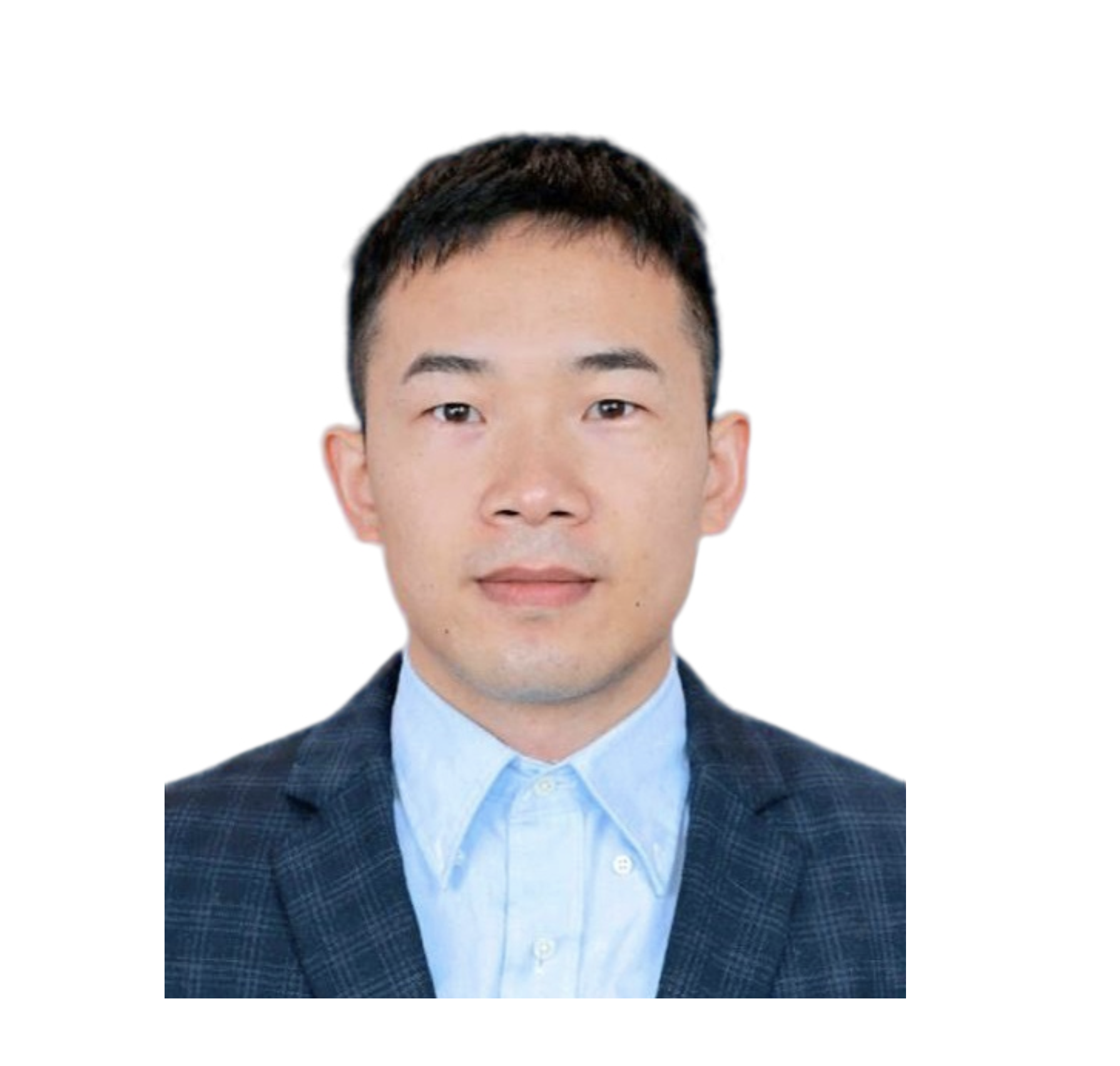
Abdallah Zaki

Abdallah Zaki

2026–

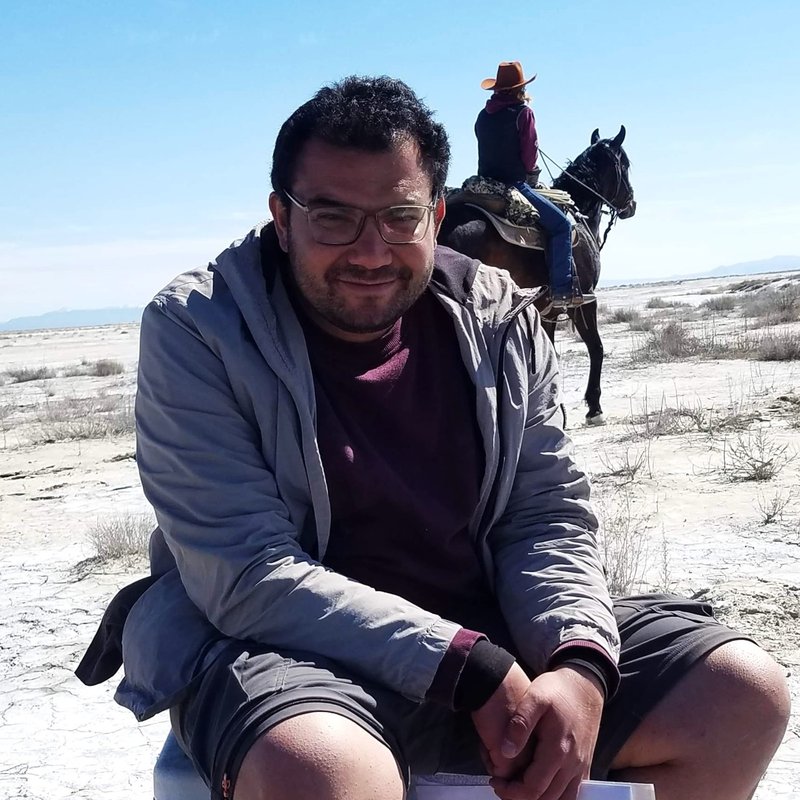
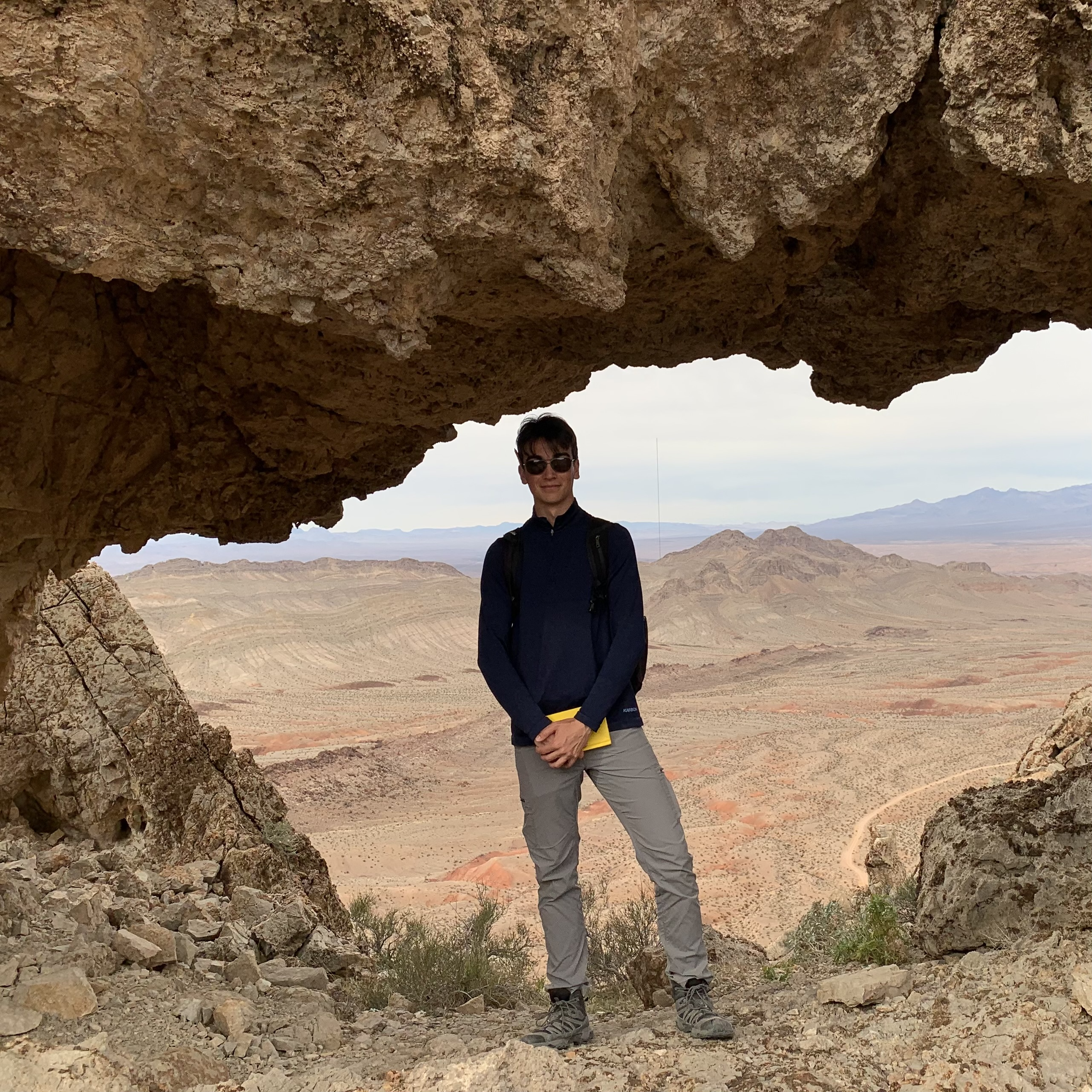
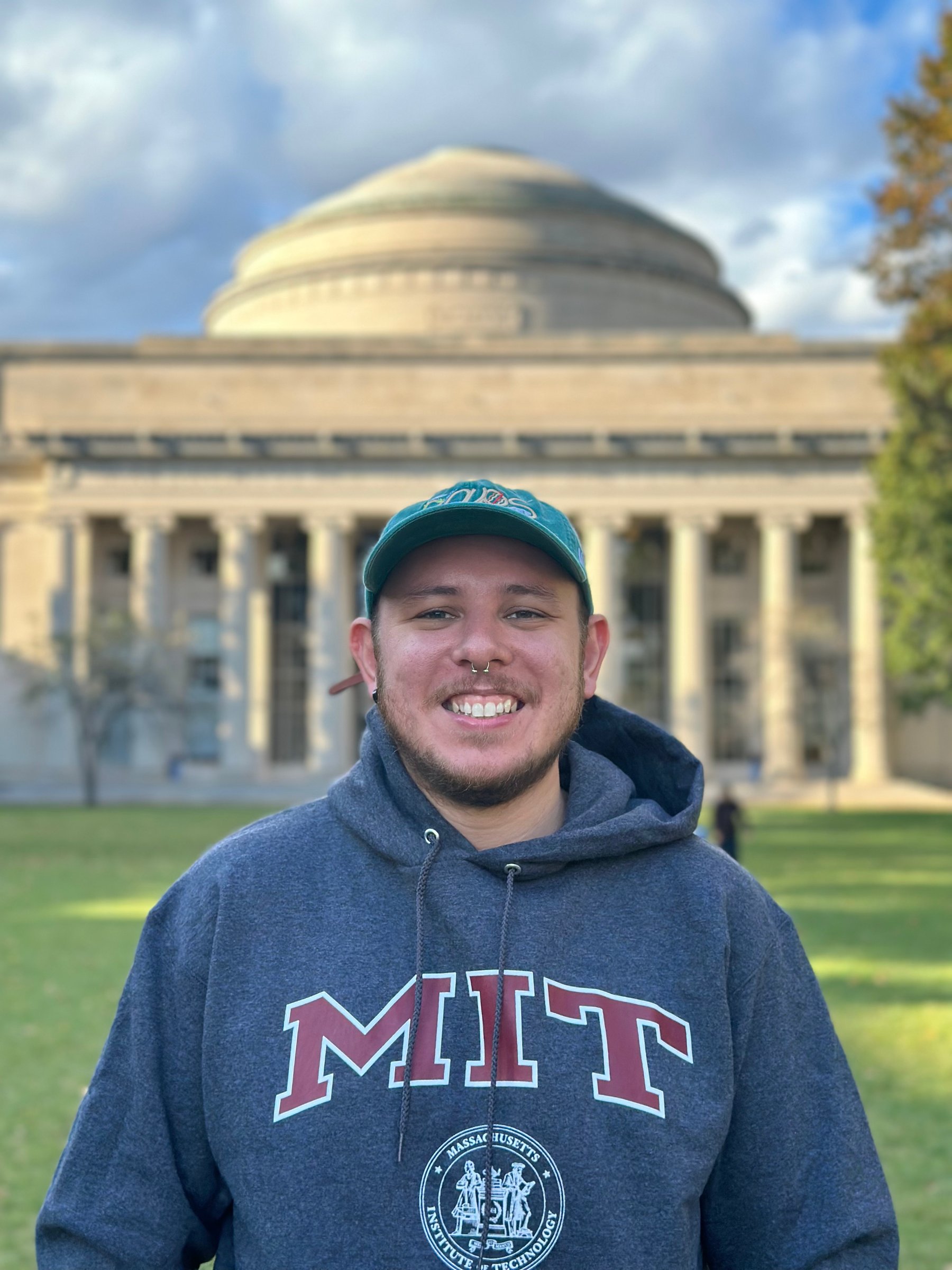
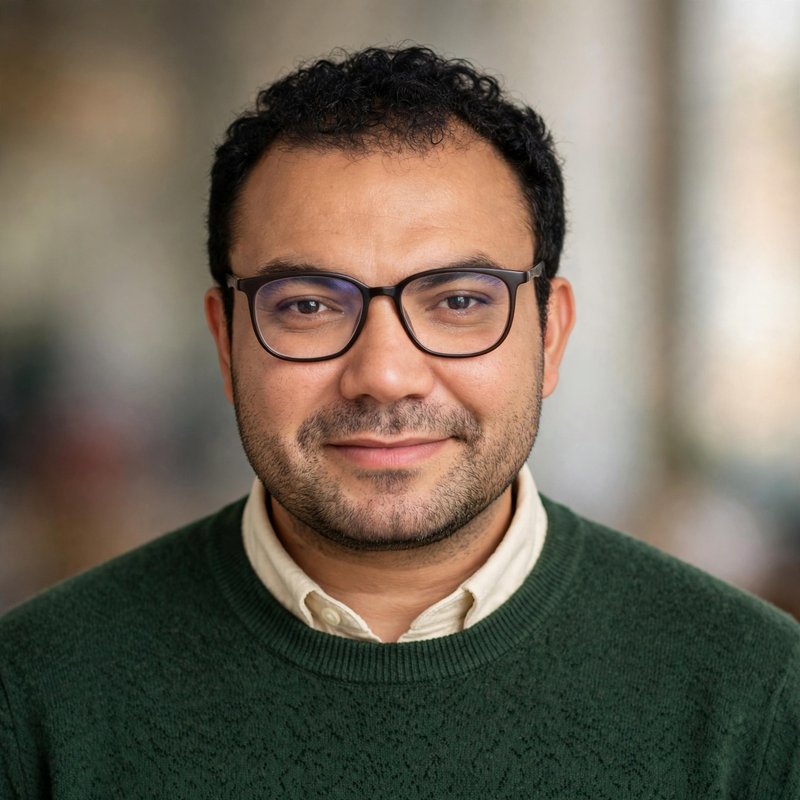
I’m Abdallah (he/him). I was born in Egypt, earned my PhD at the University of Geneva in Switzerland, and did postdoctoral work at Caltech and the University of Texas at Austin. My research asks three questions: (1) How do water-formed landscapes record climate, tectonics, and crustal structure on planetary surfaces? (2) When, where, and for how long did water flow on Mars? (3) How can we read these processes from the geomorphic and sedimentary record at outcrop, basin, and planetary scales? I use a blend of tools, including remote sensing, field observations, laboratory analyses, geochronology, and climate modeling, to reconstruct ancient environments and landscapes, and to assess their habitability. When I’m not reading the history of planets, I’m reading the history of us: who we are and how we got here. I chase the same story in music and in the streets of every city I walk through, usually with a coffee in hand.
Graduate Students

Grace Fanson

Grace Fanson

2023–

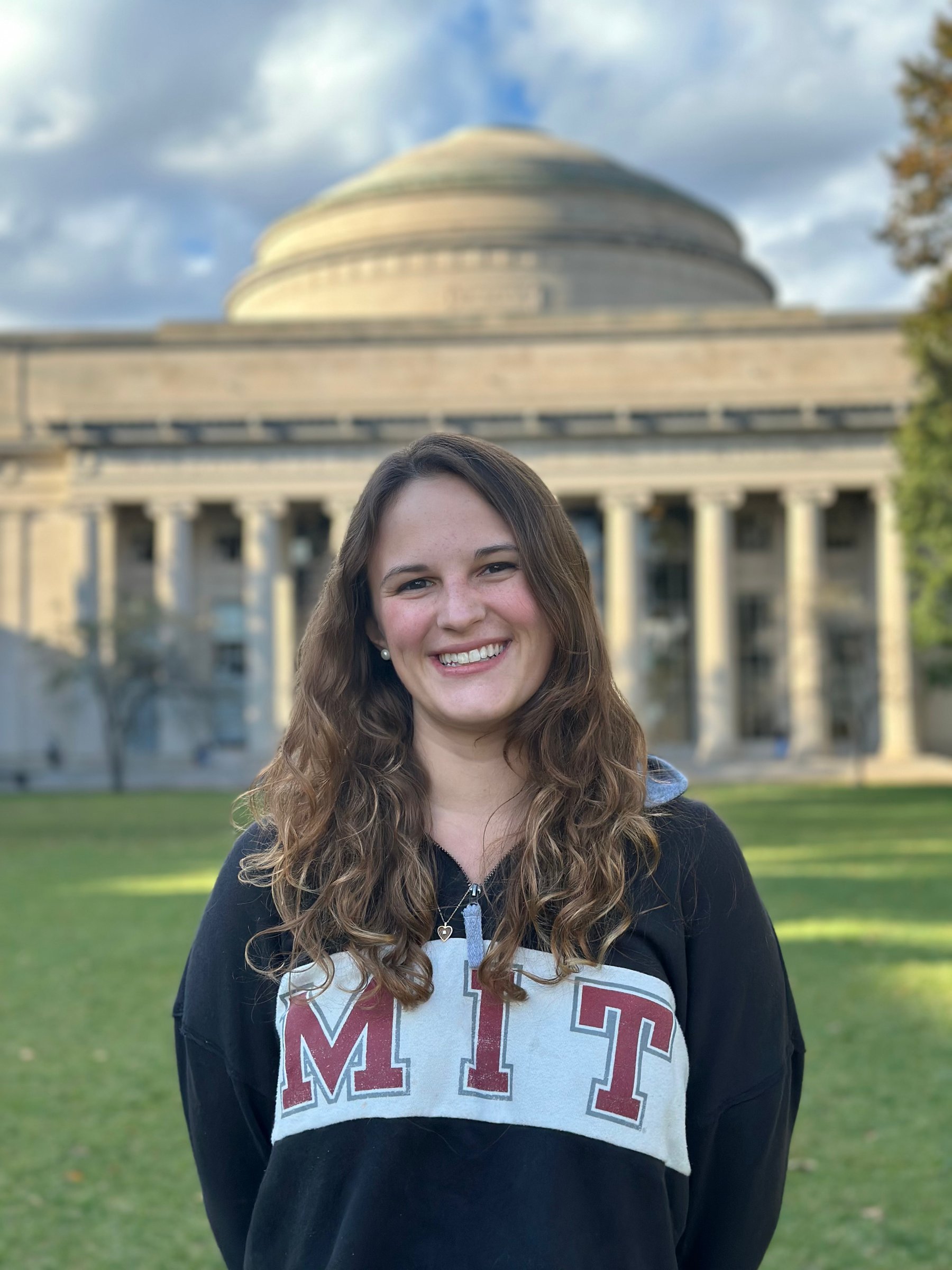
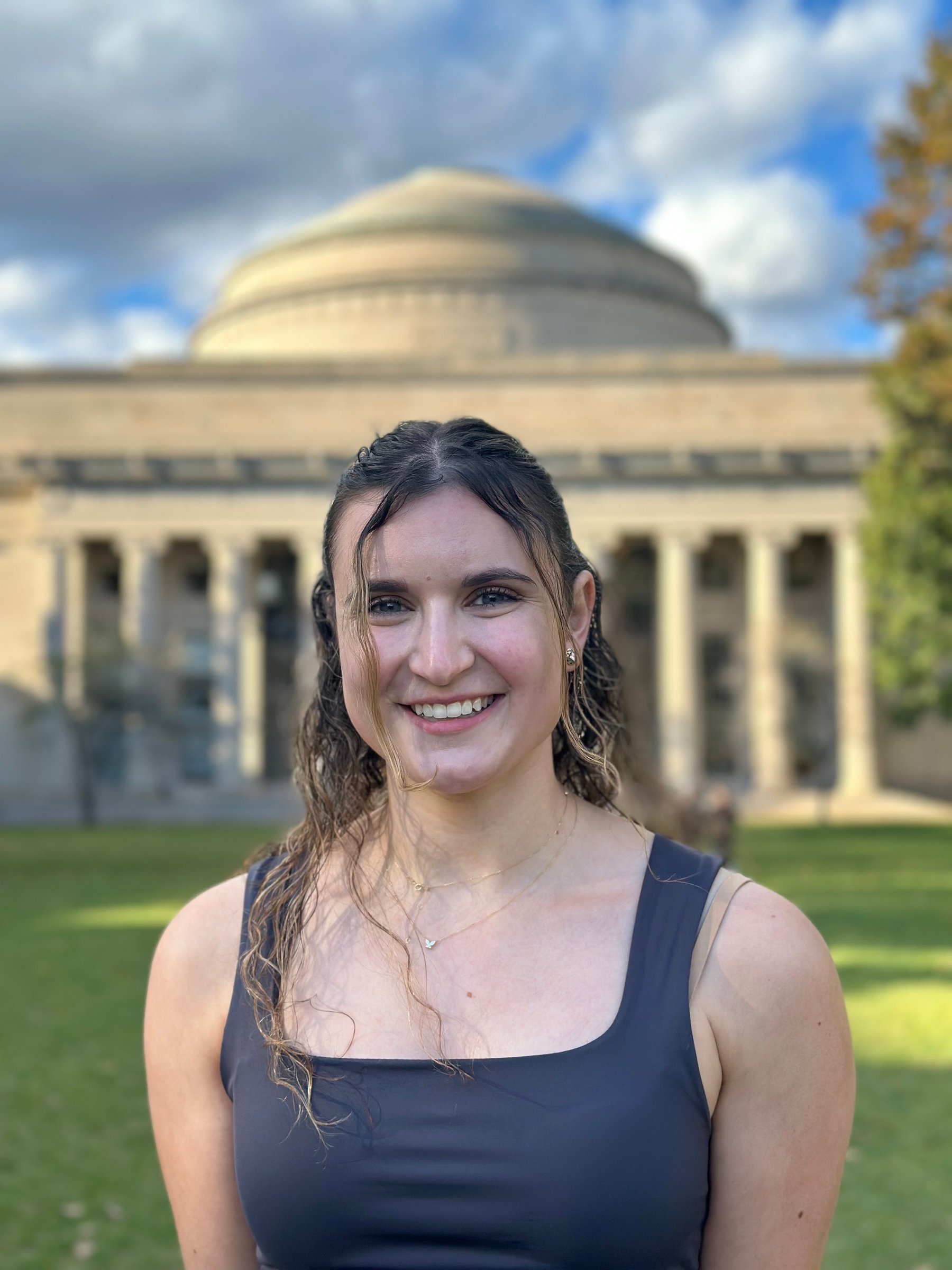
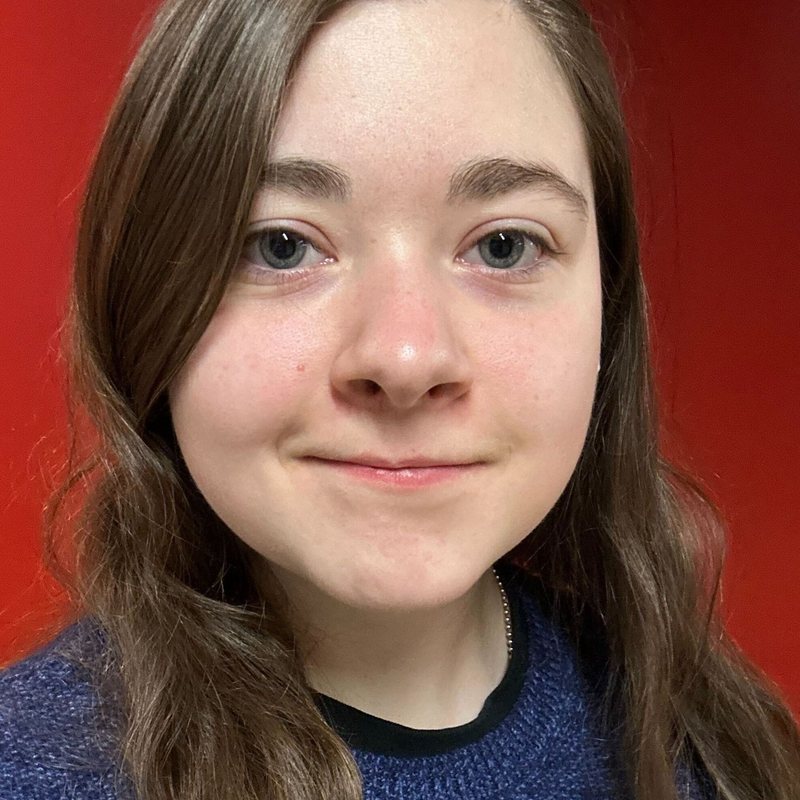
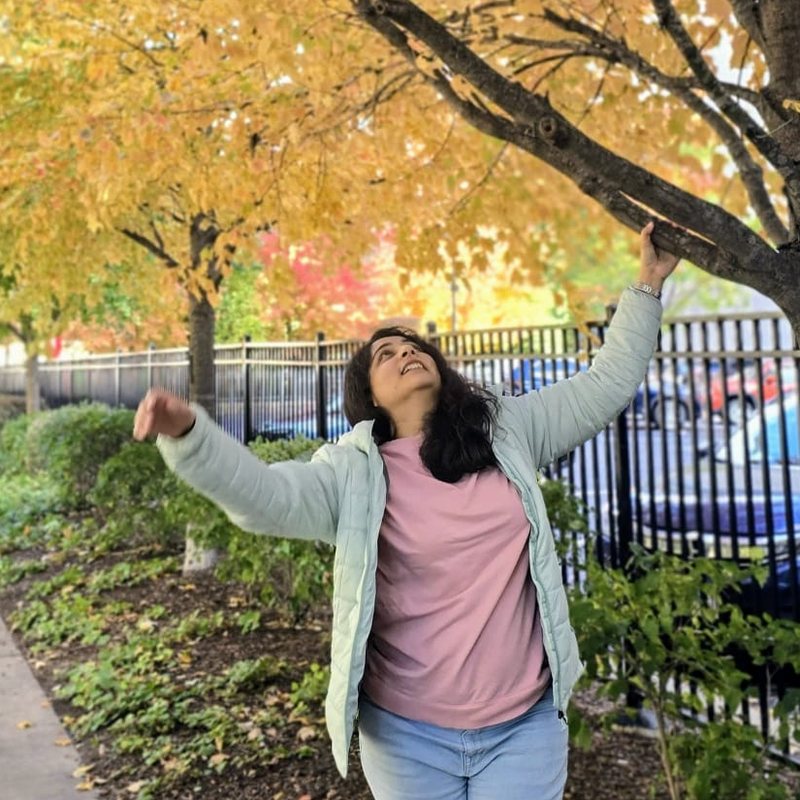
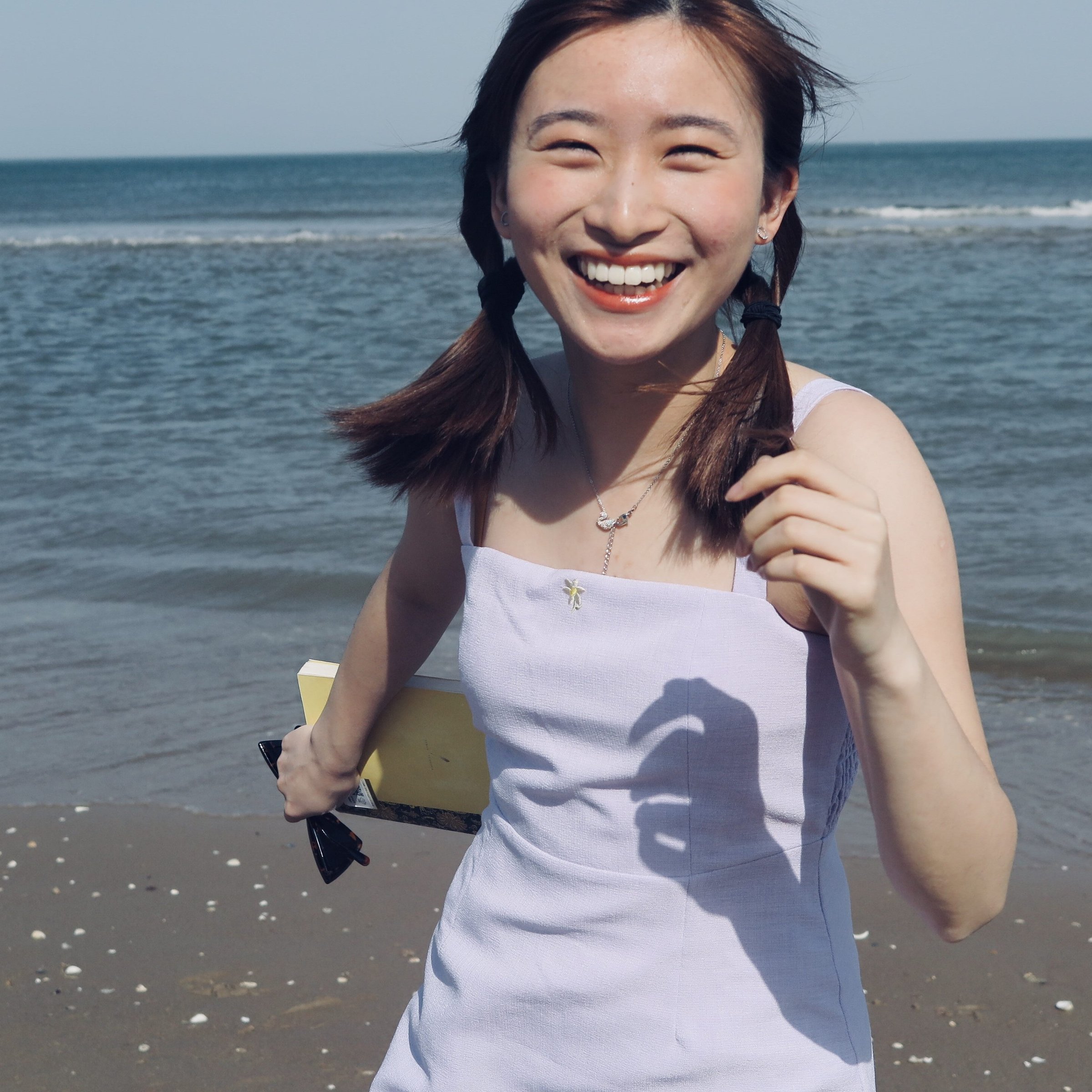
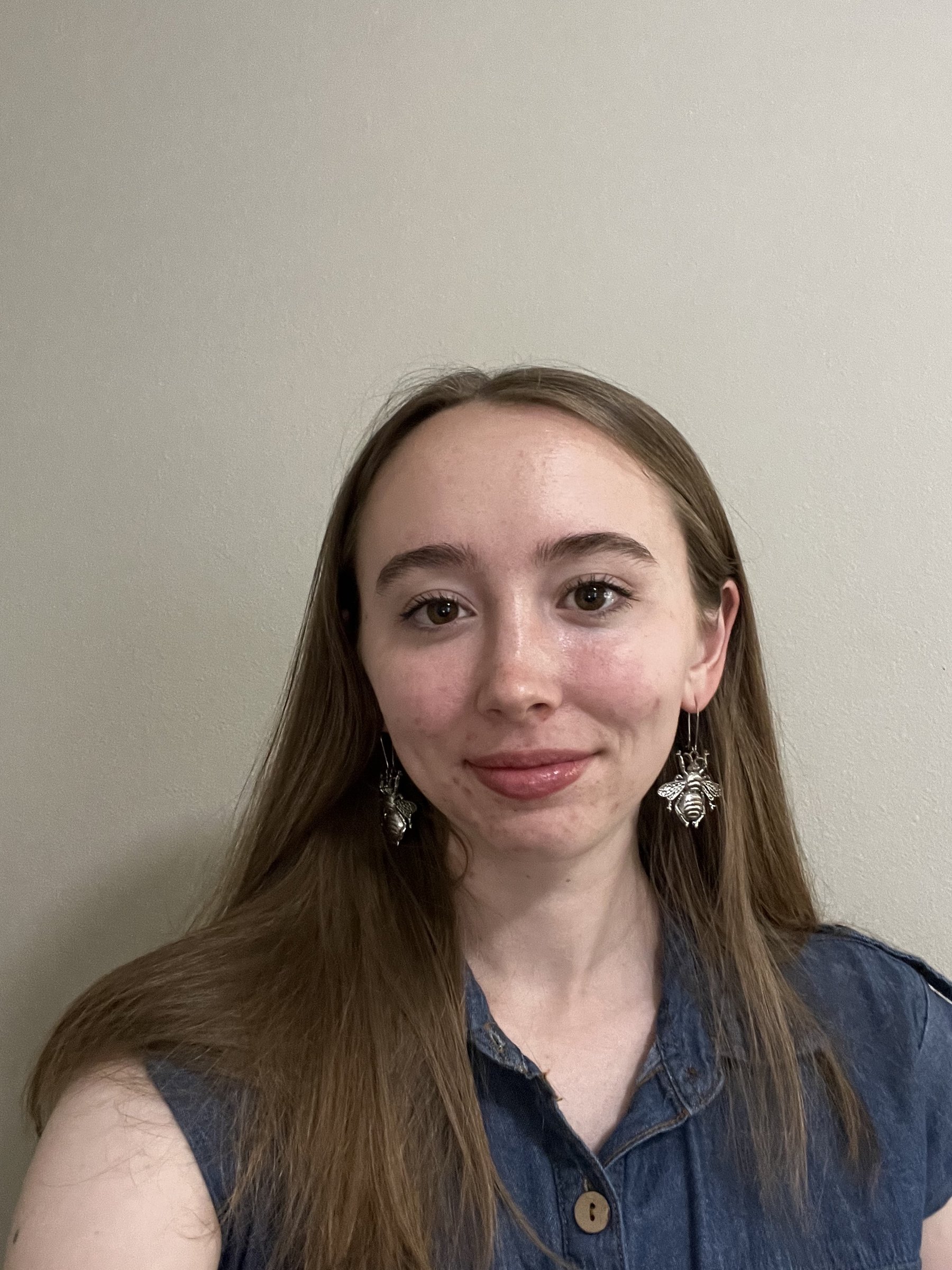
Hi! I’m Grace (she/her). I'm a PhD candidate in Planetary Sciences at MIT. I study planetary surface evolution on Mars and Earth. My research integrates numerical modeling, remote sensing data analysis, and geomorphology to deepen our understanding of the water cycle on early Mars. I am also involved with various mentorship projects in the department with the goal of making EAPS an even more connected and supportive environment. Outside of the Green Building, I enjoy pottery, reading, cycling, and cooking.

Ze-Wen Koh

Ze-Wen Koh

2023–

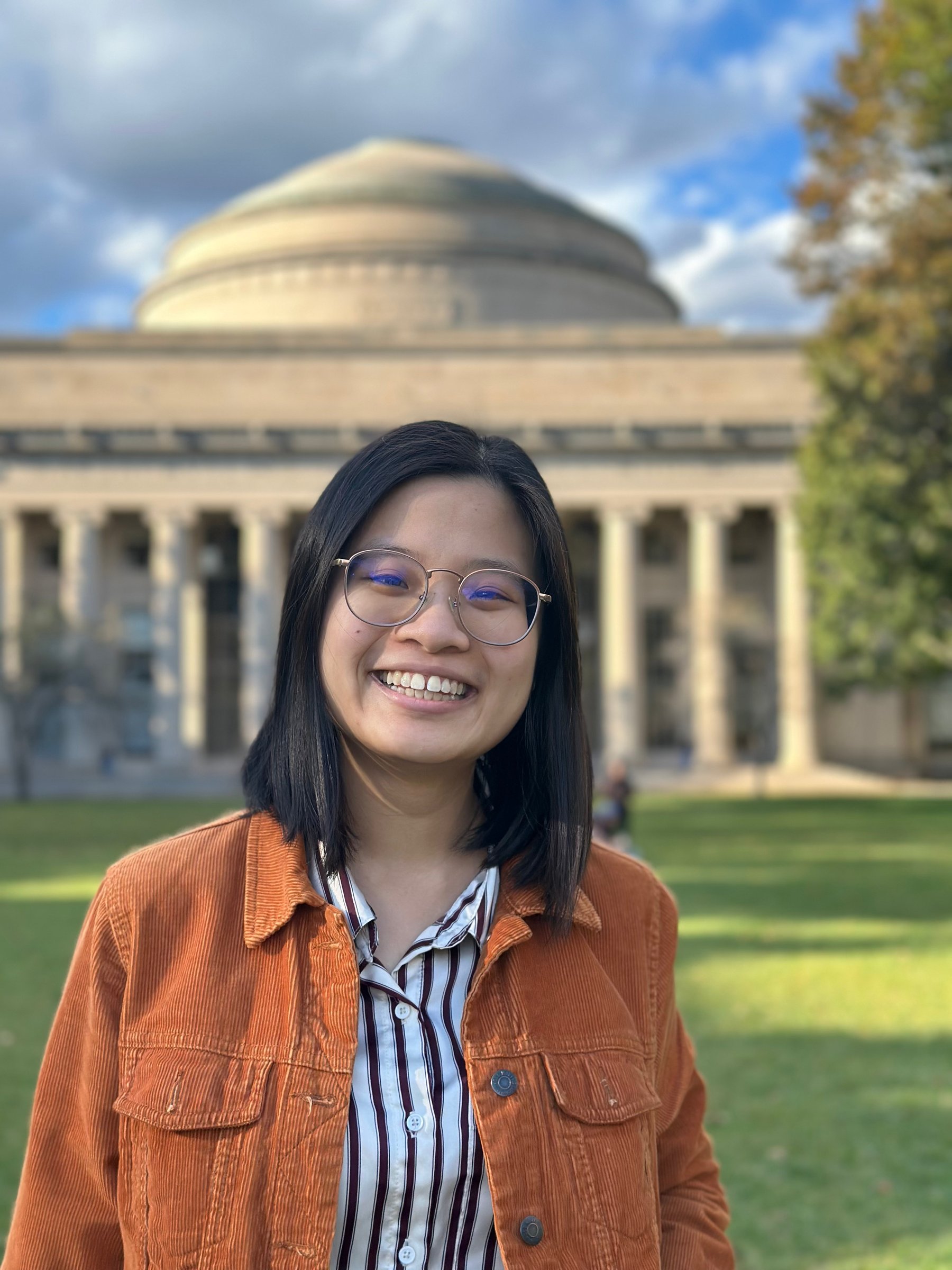
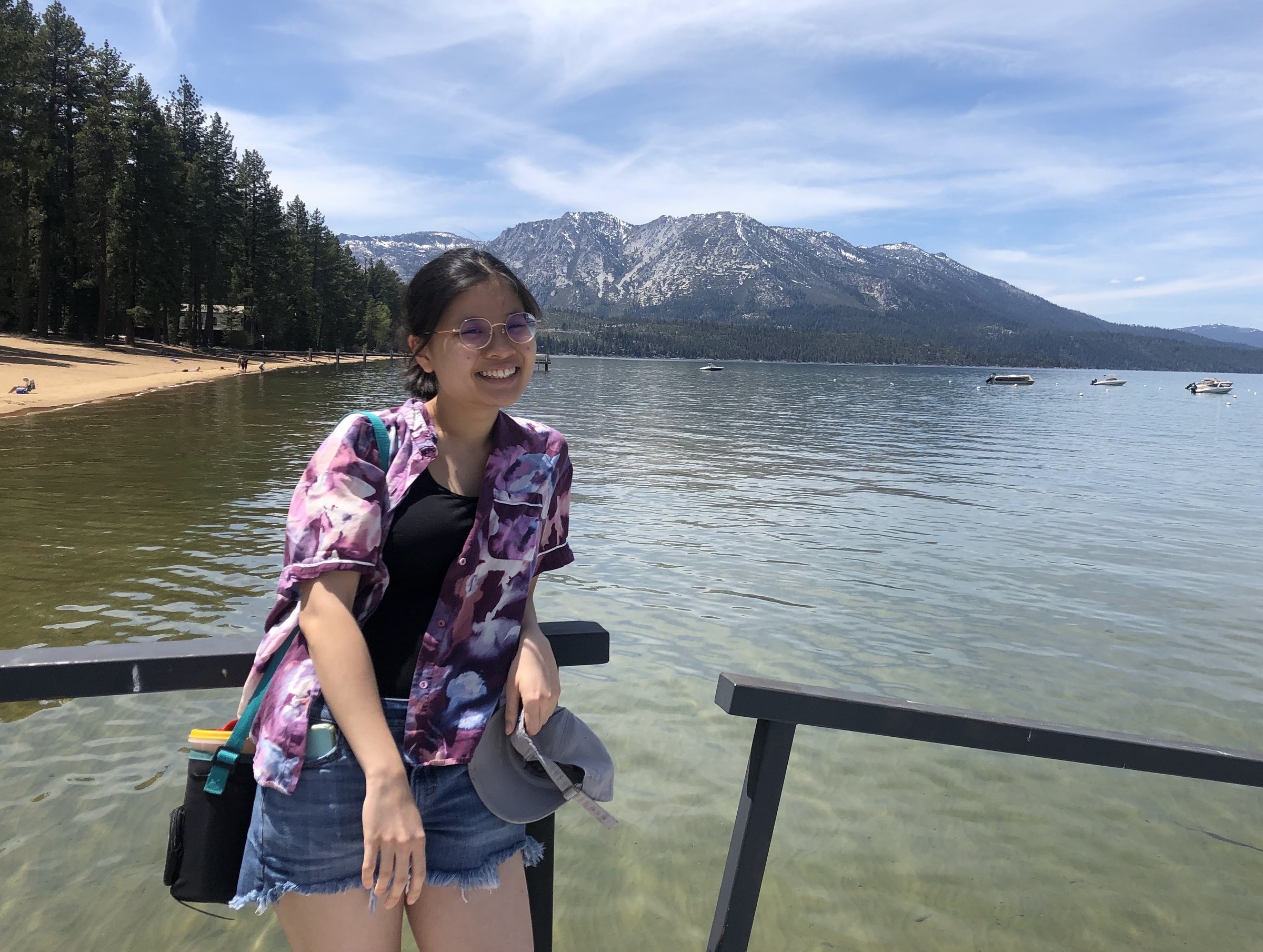
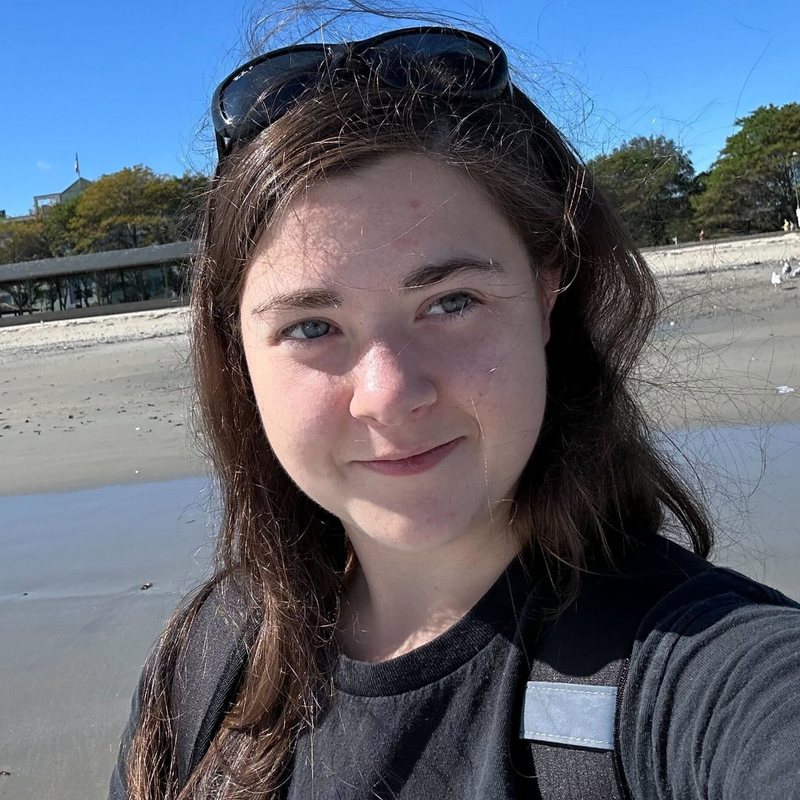
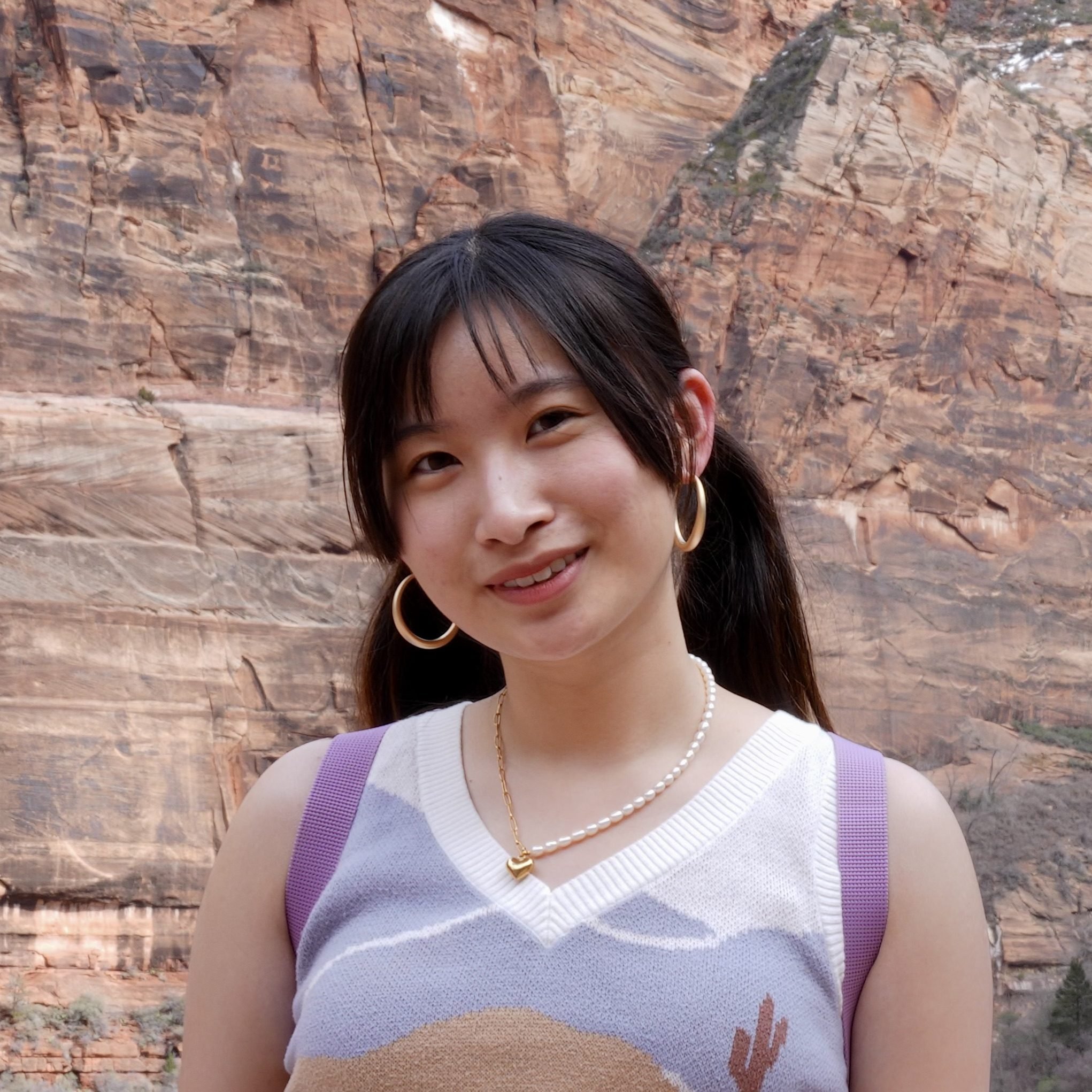
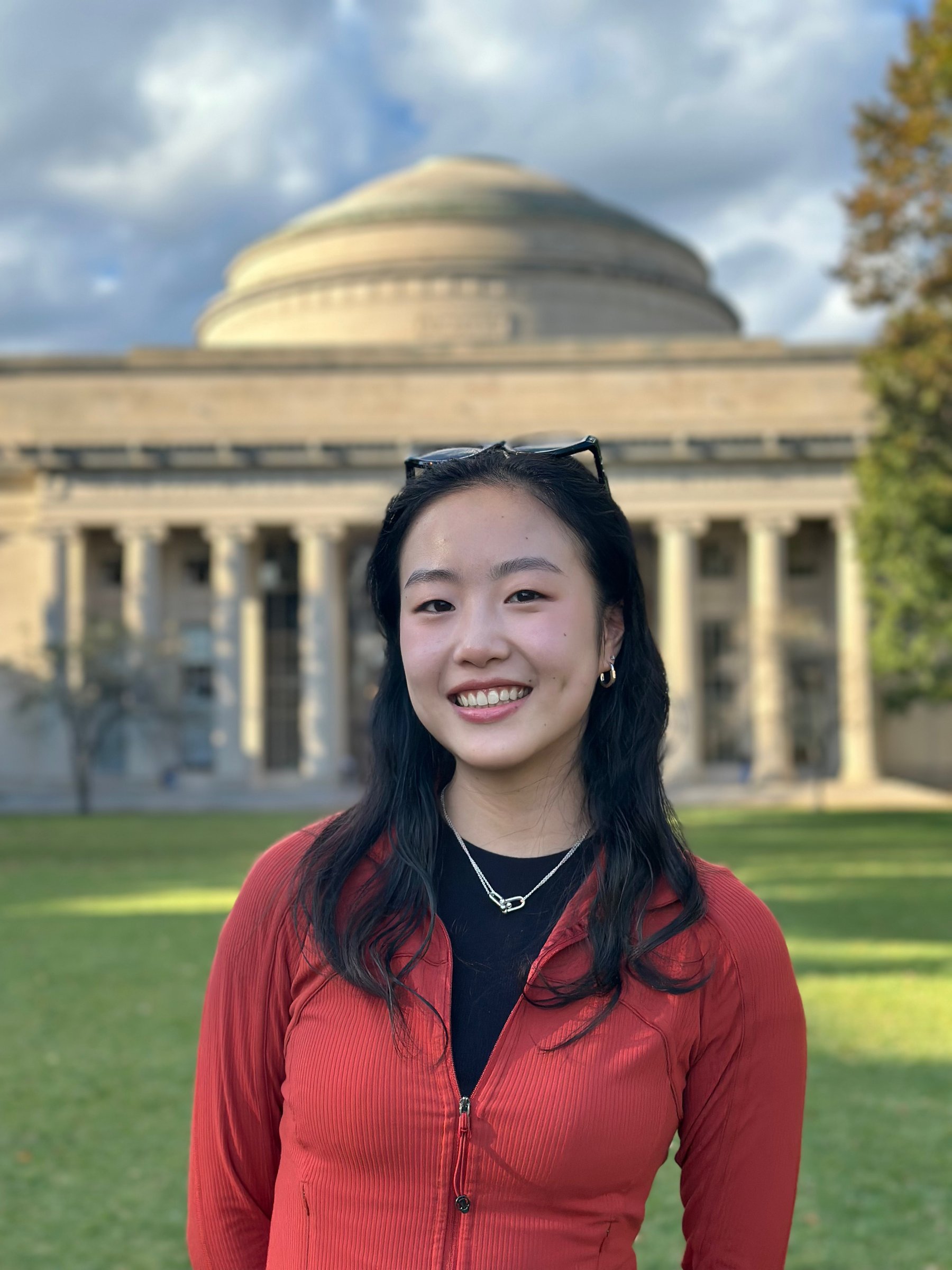
Hi there! I’m Ze-Wen (she/her), a PhD student in Planetary Science. I’m interested in the formation and evolution of planetary landscapes, and how they relate to global climate mechanisms and habitability. Currently, my research focuses primarily on rivers and lakes on Earth, Mars and Titan, and how they reflect past or present hydrological cycles. Before this, I obtained a B.A. in Physics and Computer Science at Cornell University. I grew up in Malaysia, and I love spending my time cooking dishes from home, playing board games, and watercolor painting!

Shaalin Sehra

Shaalin Sehra

2024–

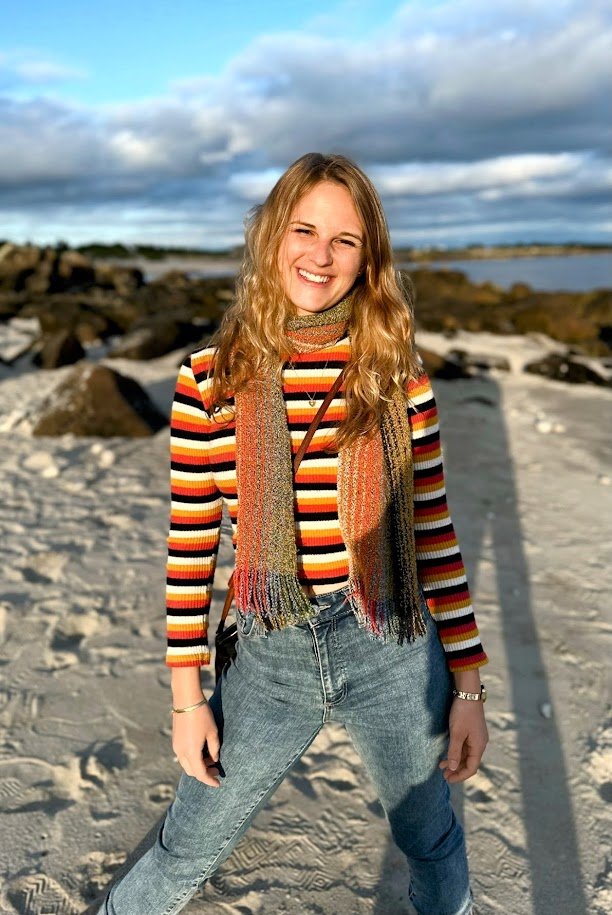
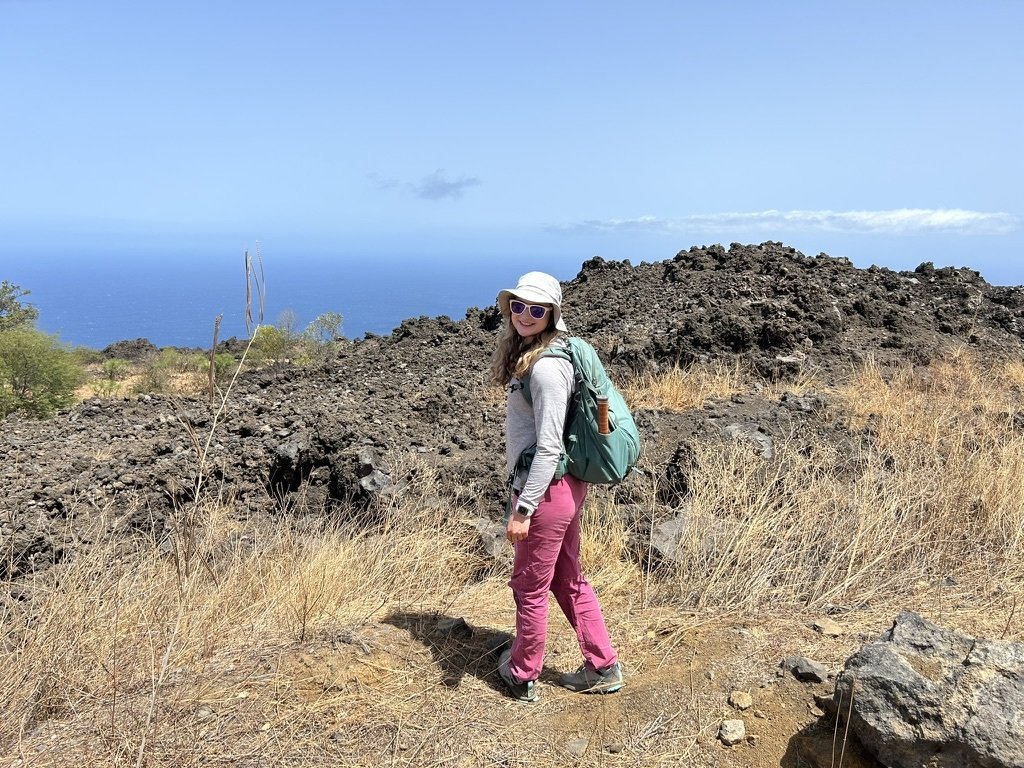
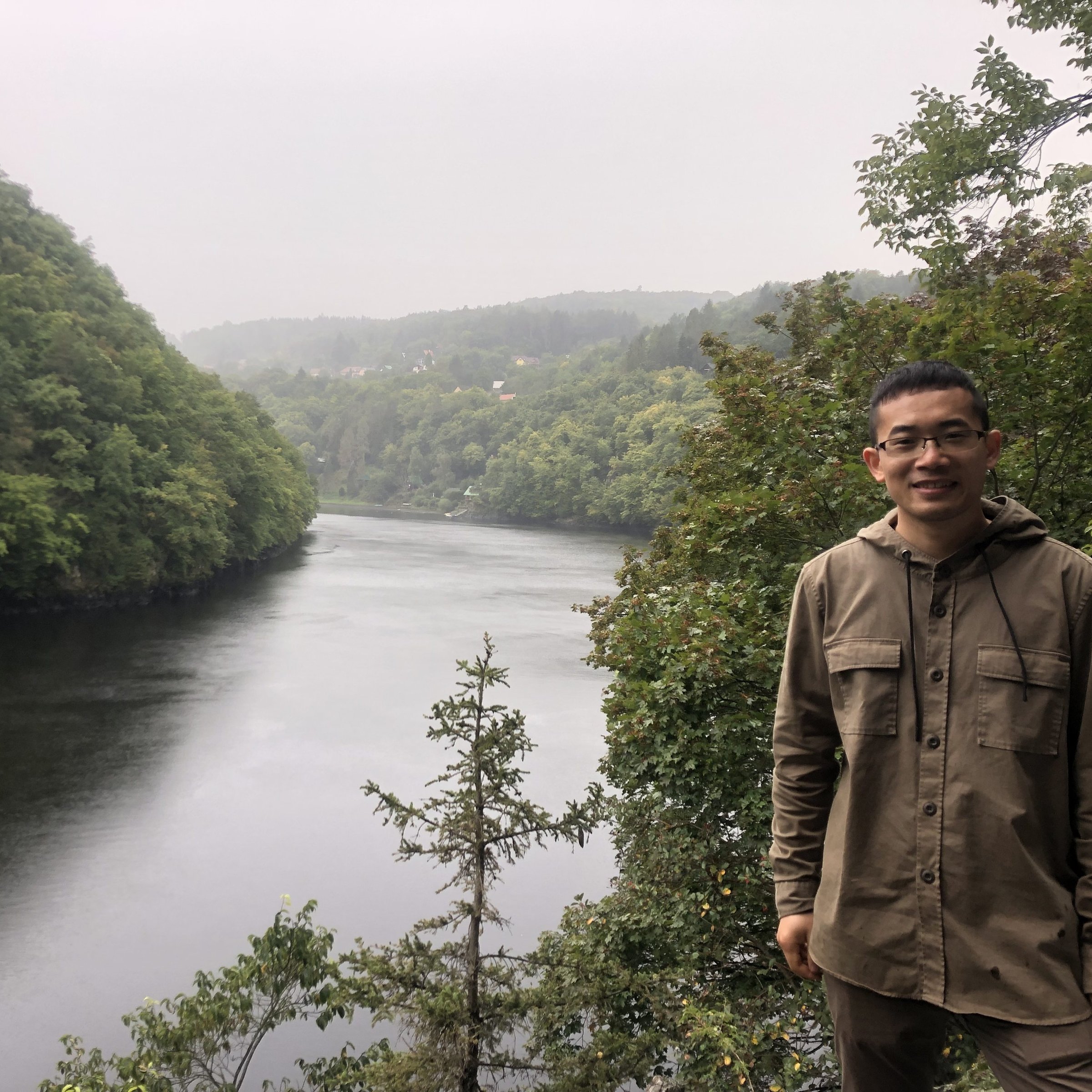
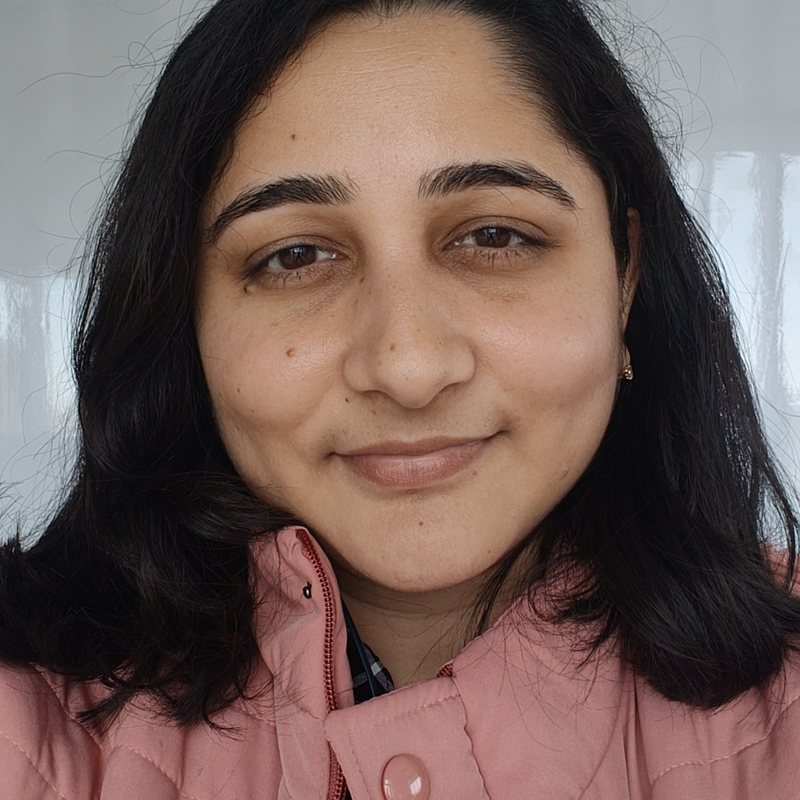
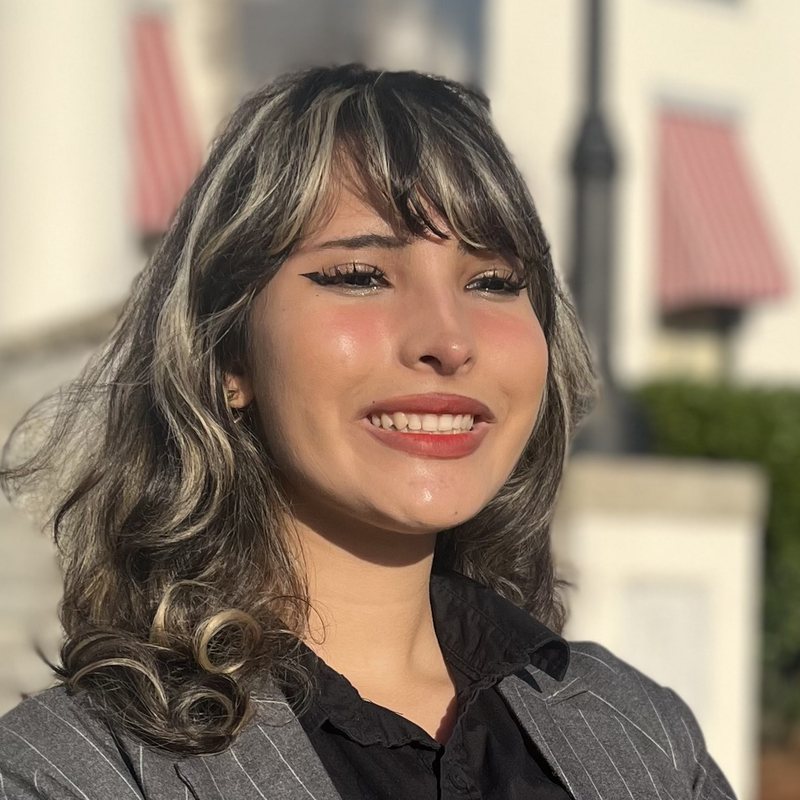
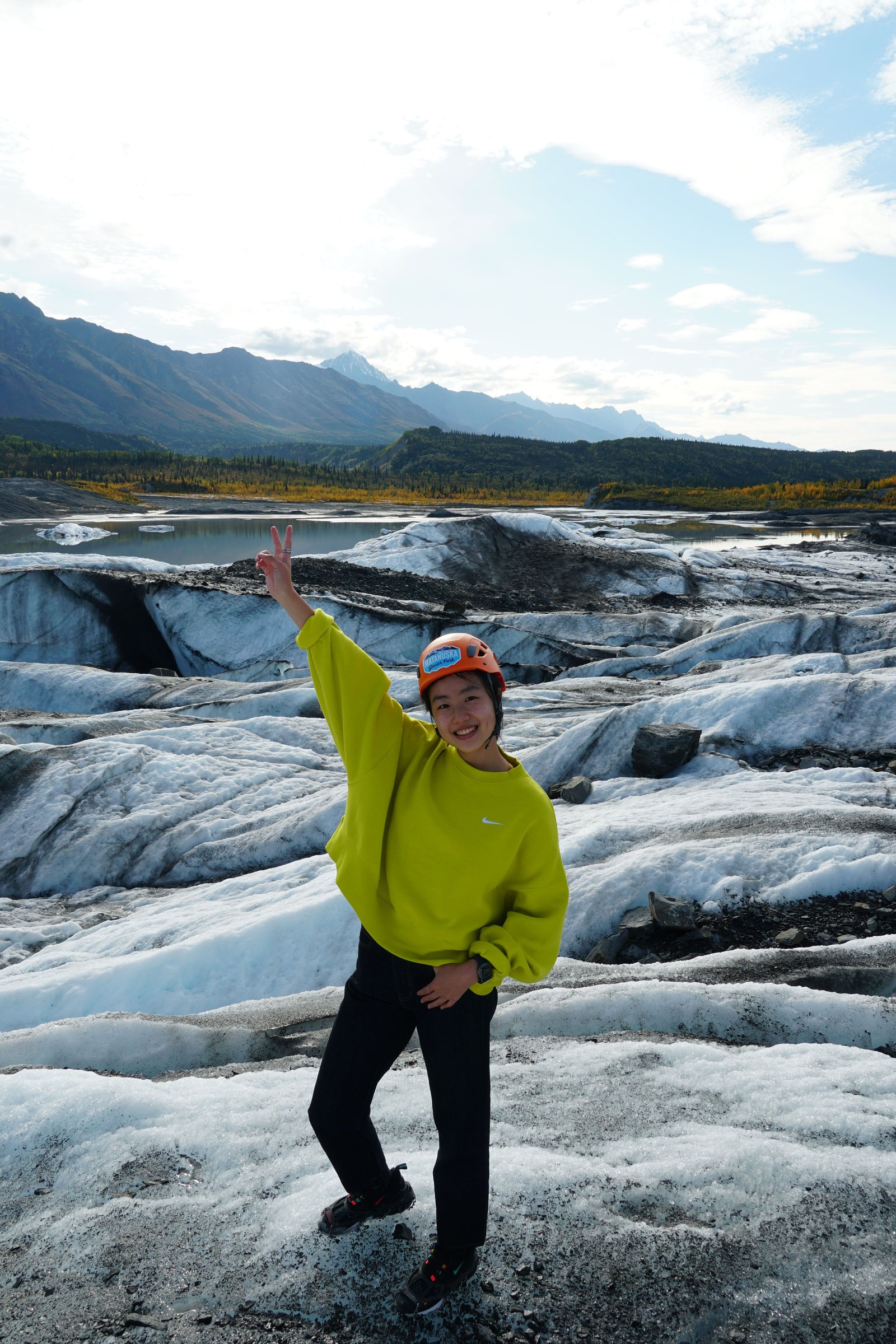
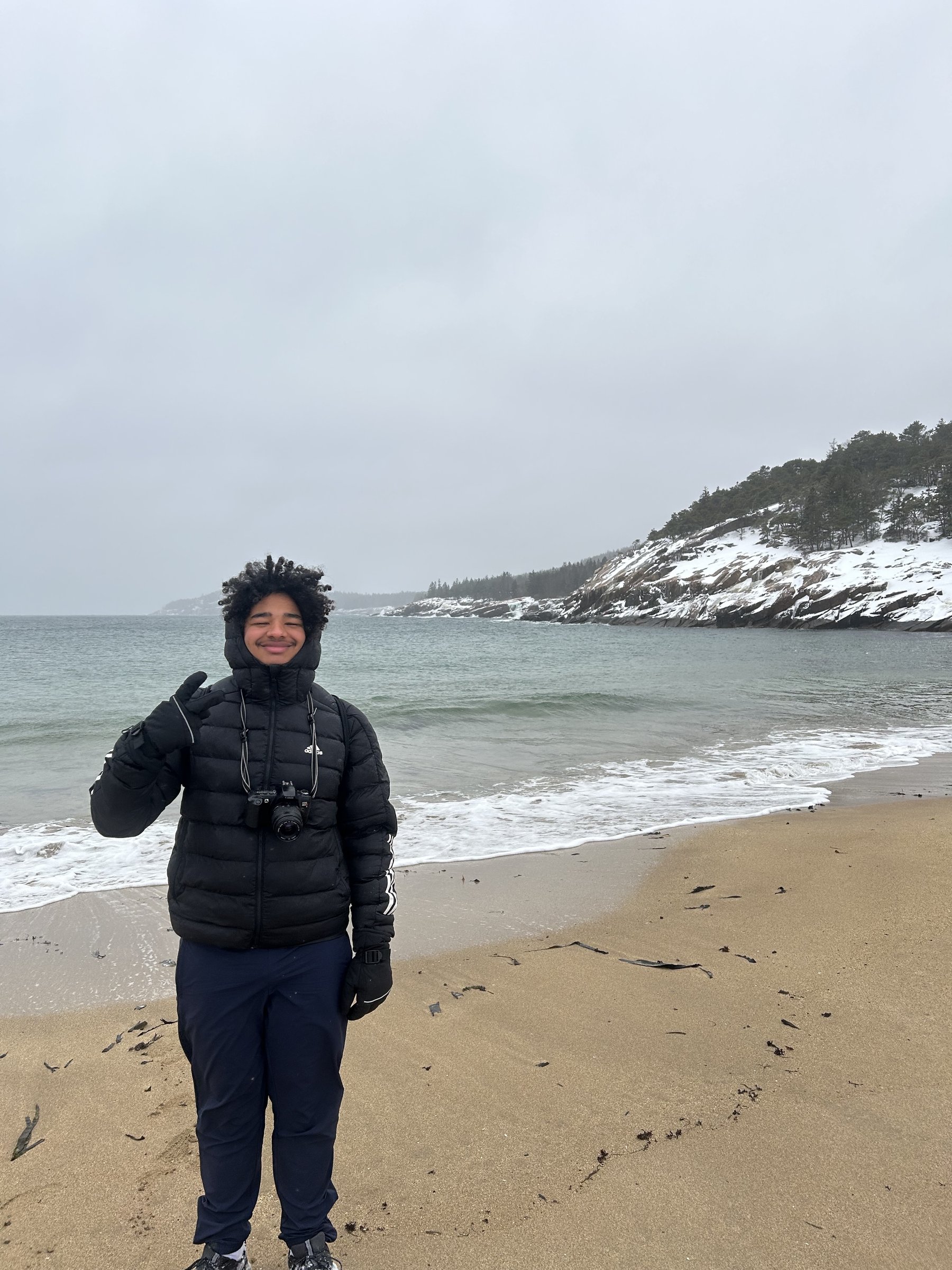
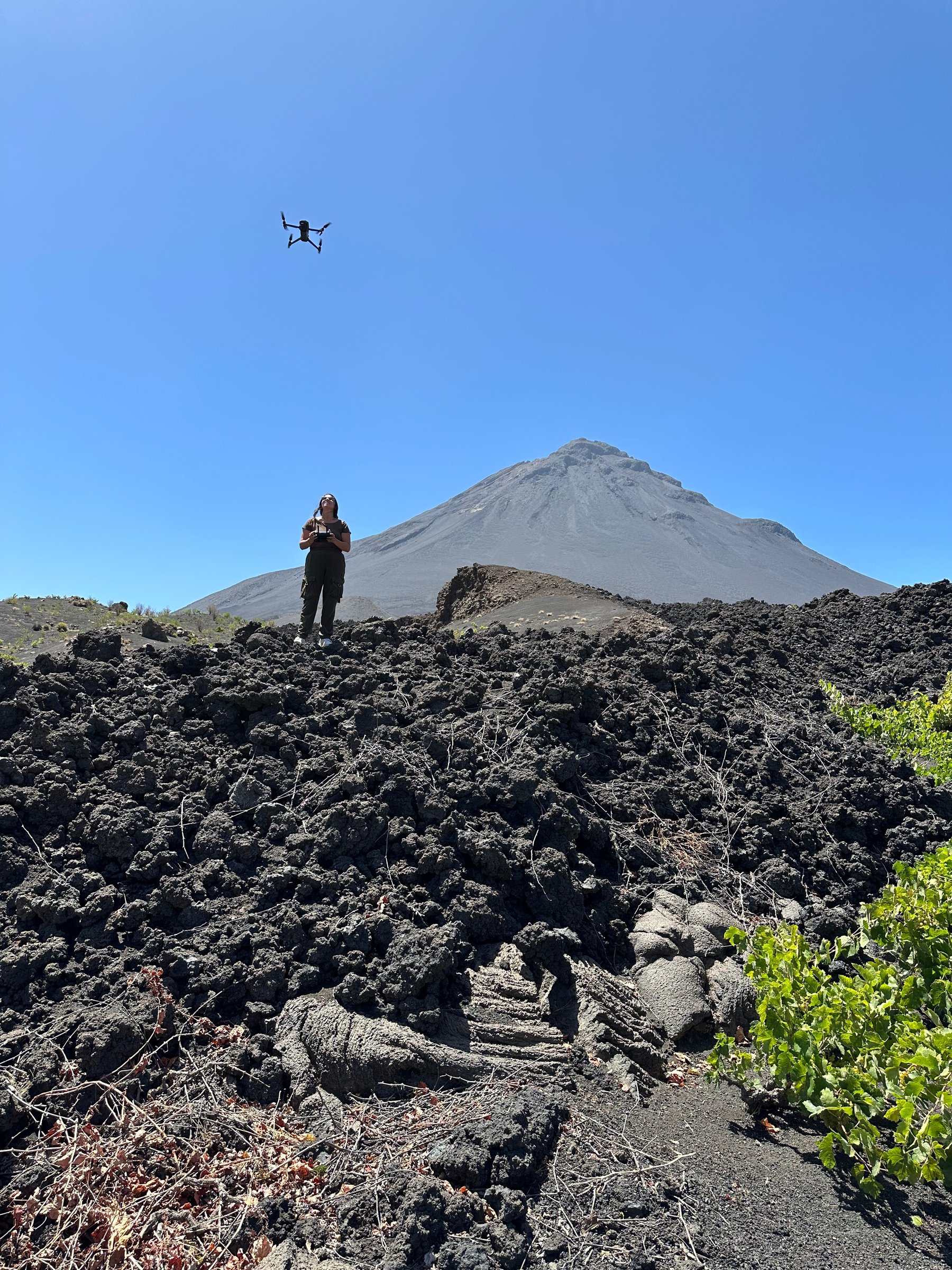
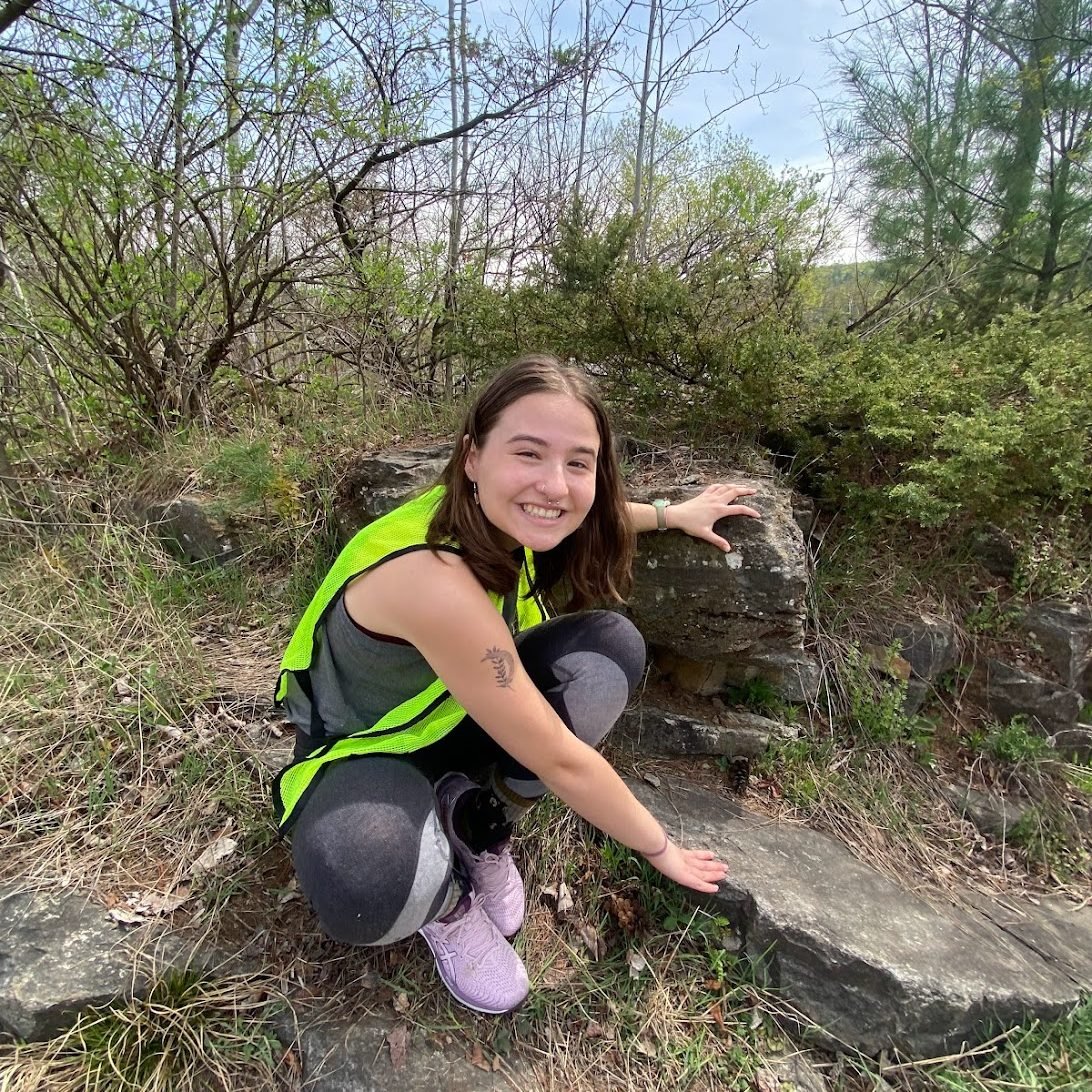
I’m Shaalin (she/her), a second-year PhD student in Planetary Science. I explore water-driven surface processes on Mars and their analogs on Earth, using remote sensing and computer modeling, coupled with fieldwork/labwork. Currently, I am using remote sensing to analyze landslide deposits in the Valles Marineris of Mars and doing fieldwork and lab experiments to study stream geomorphology in Cape Verde, an analog for Mars. When I’m not studying rocks, I love to climb them and teach others to climb!

Jensen Lawrence

Jensen Lawrence

2024–

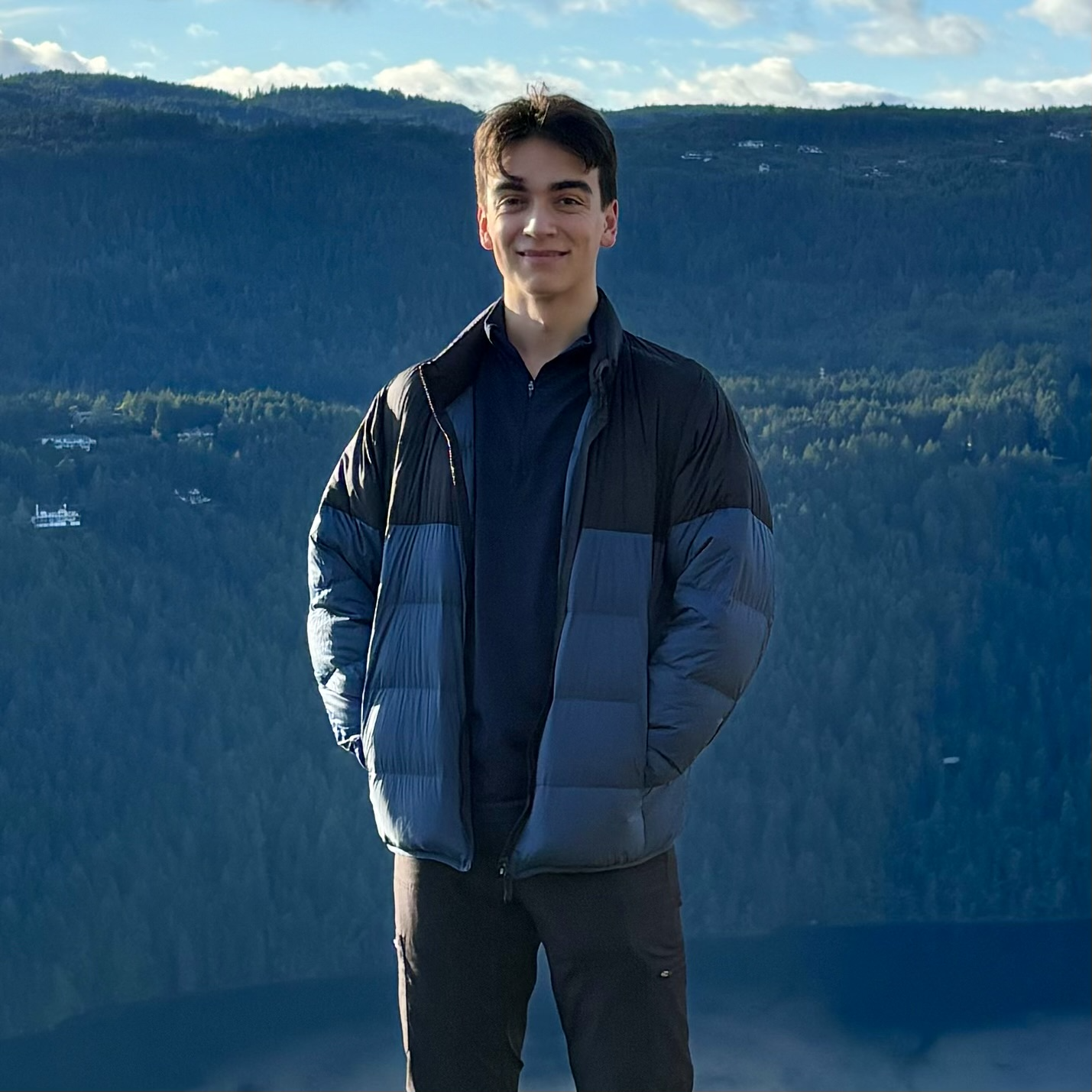
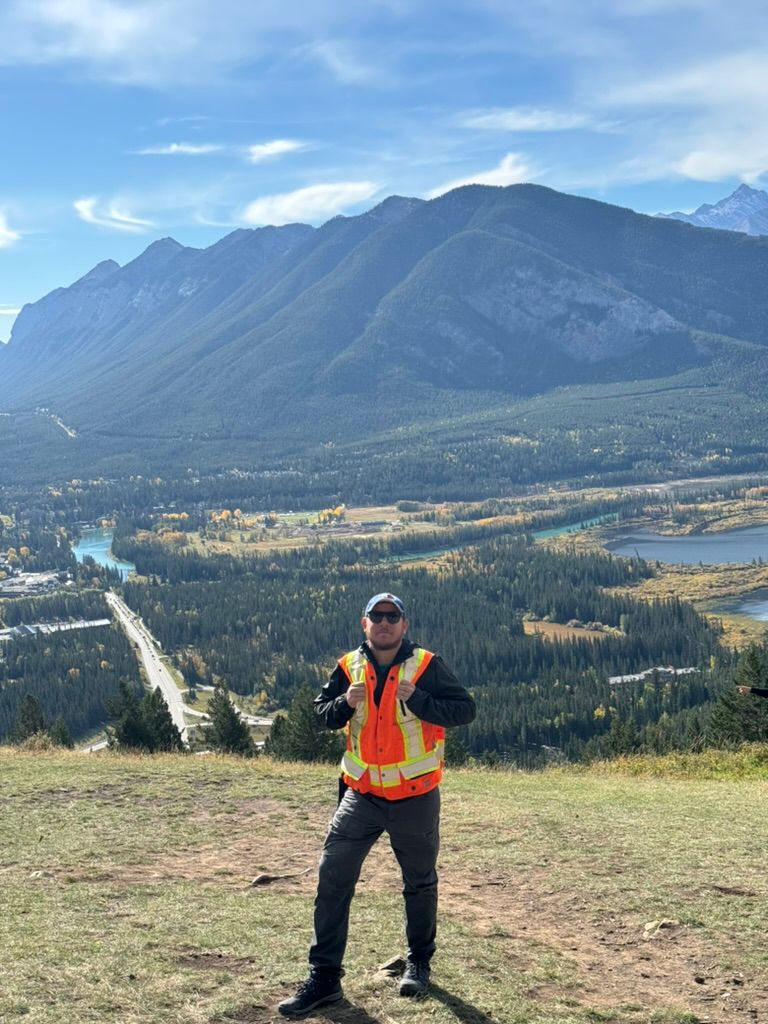
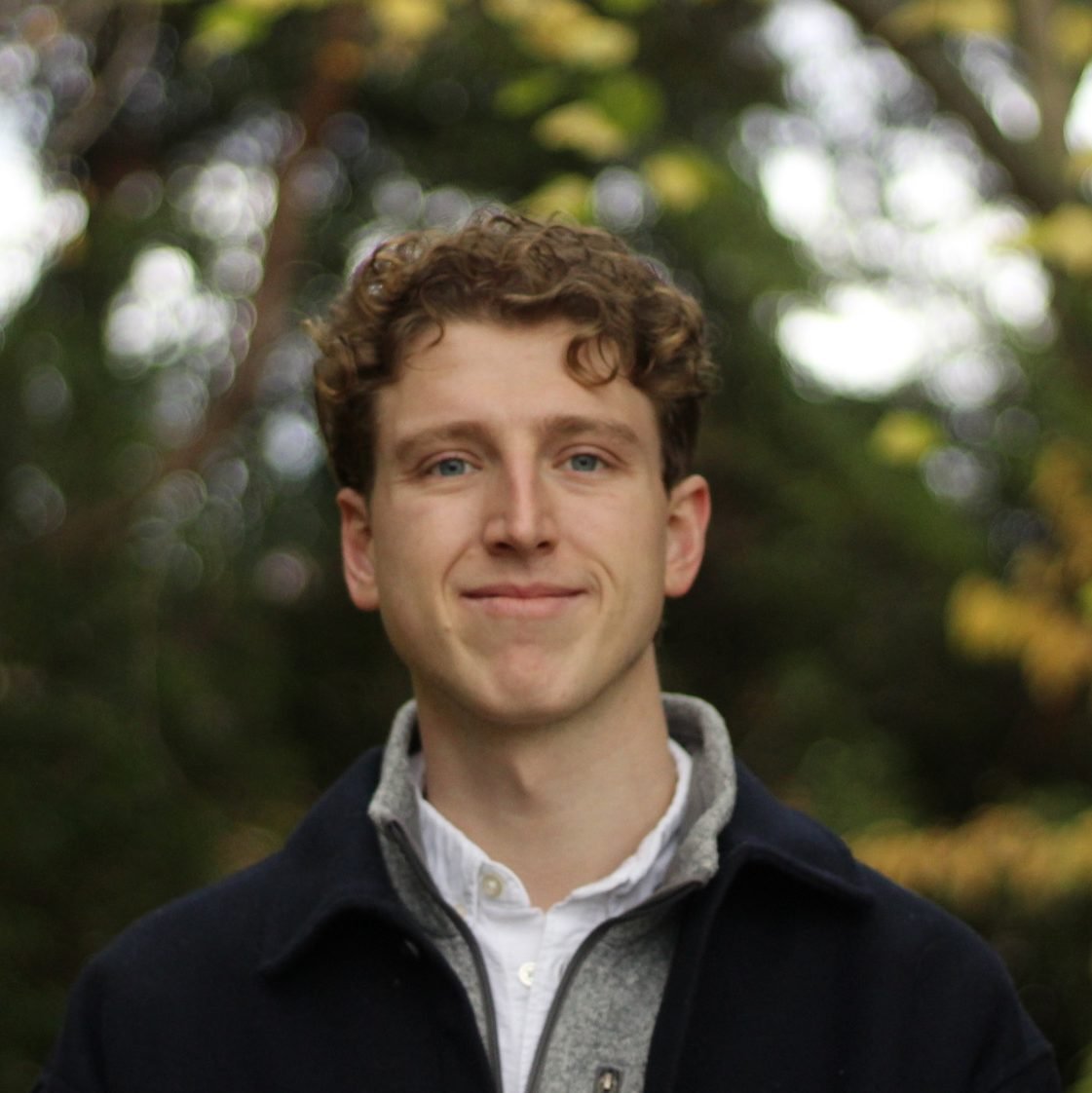
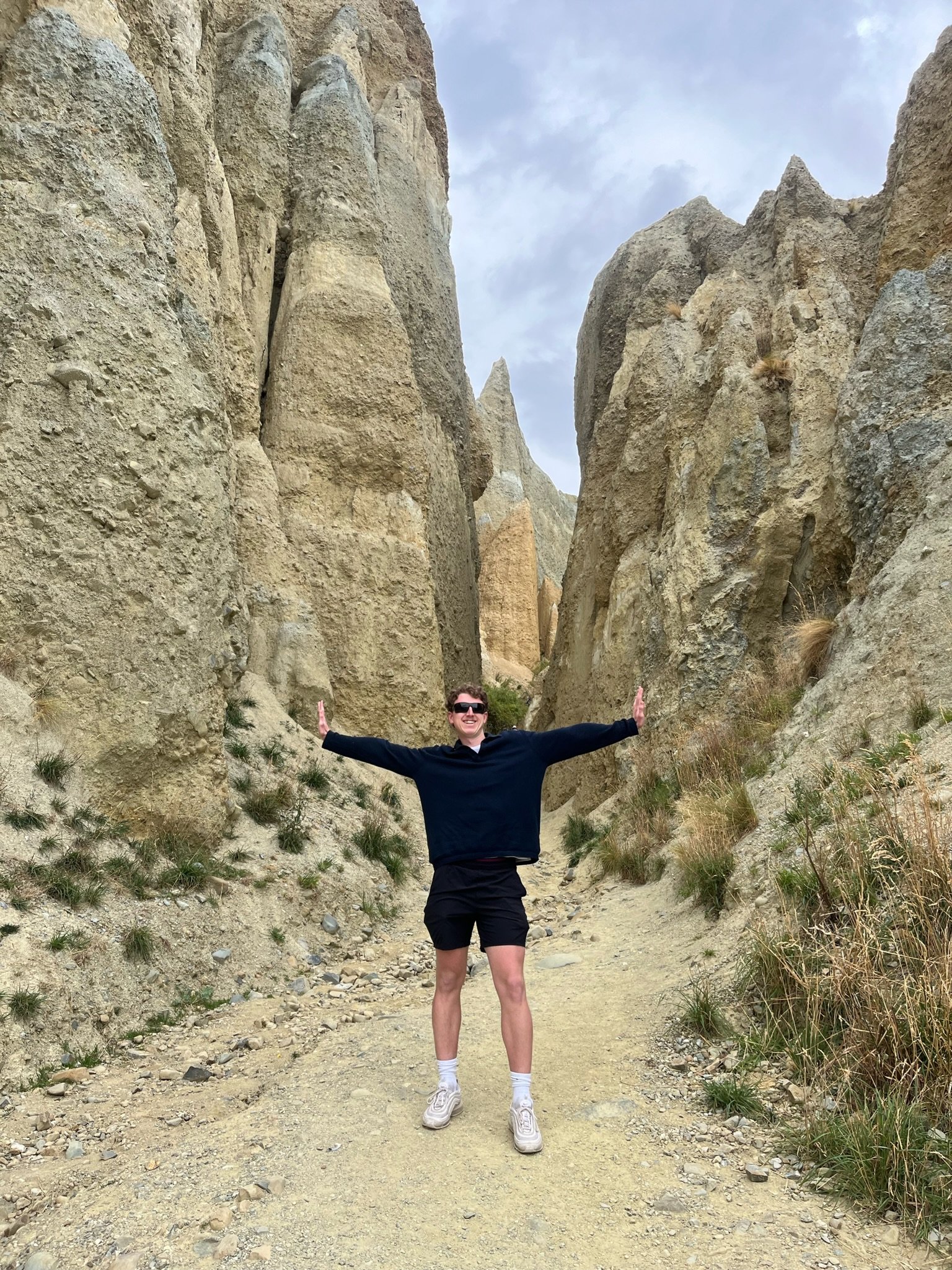
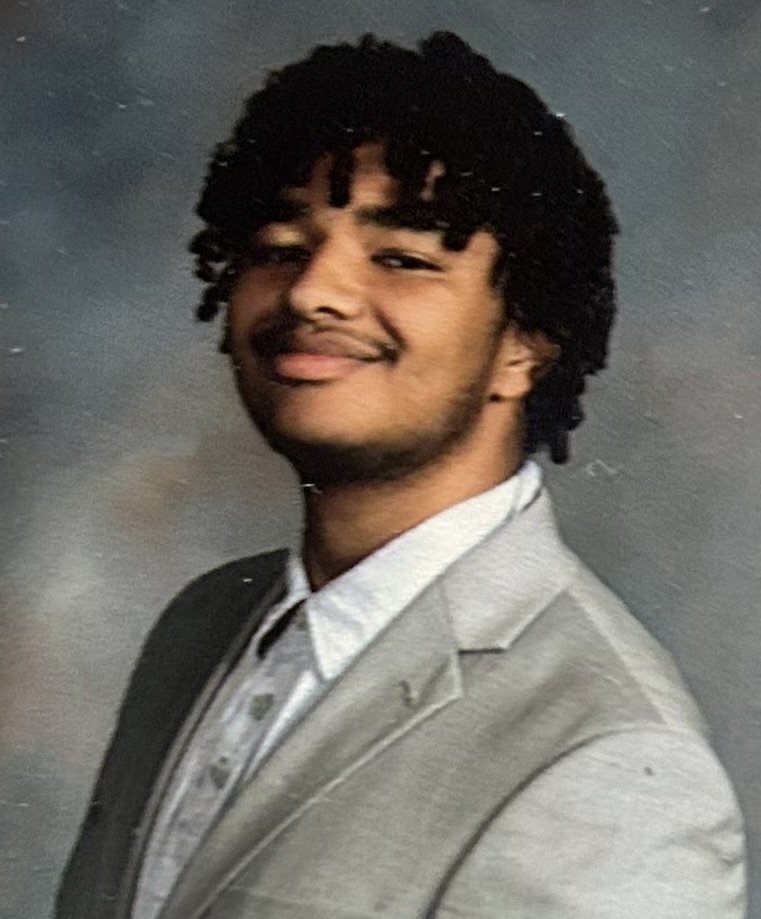
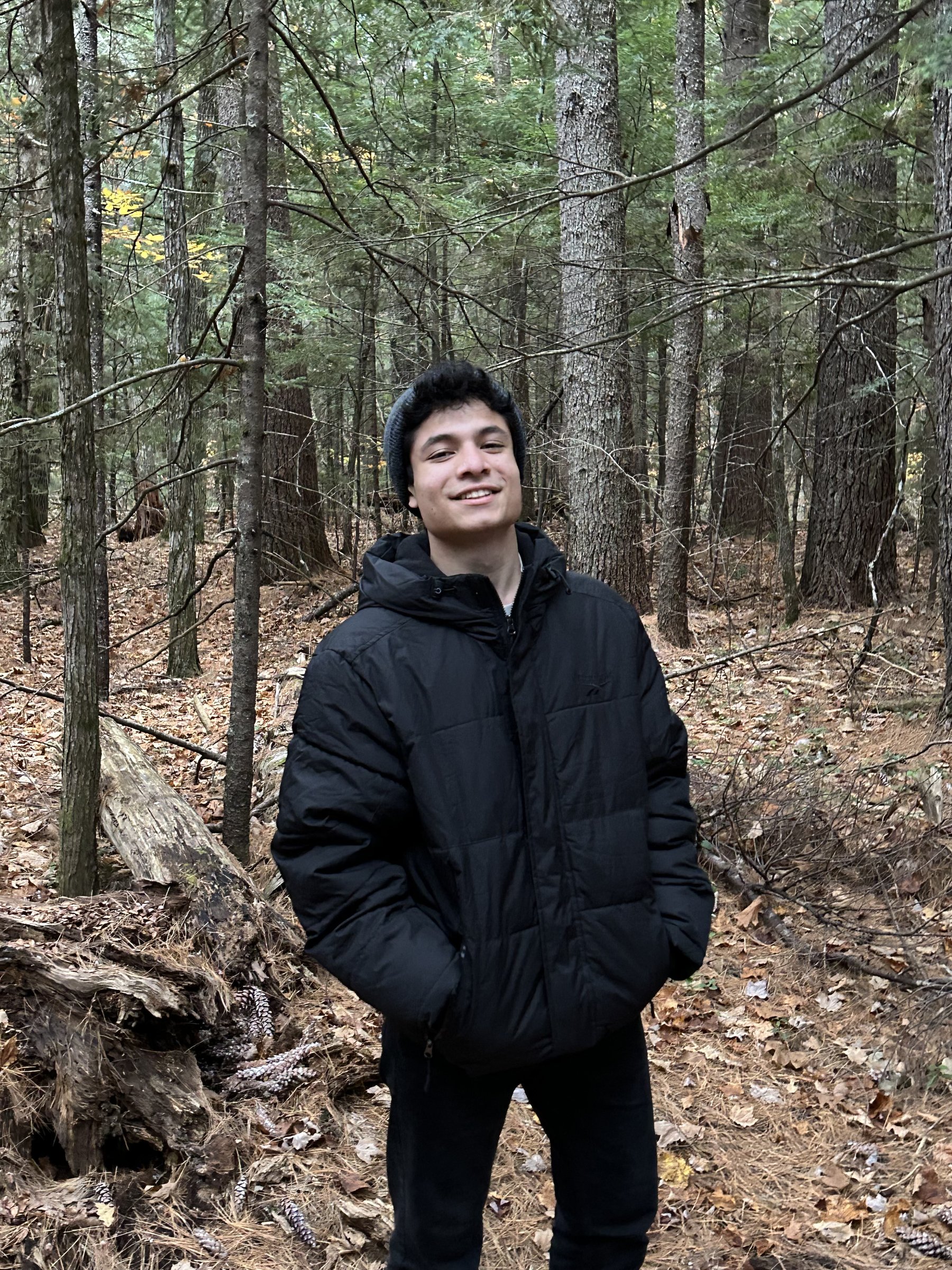
I’m Jensen (he/him), a PhD student in MIT’s Department of Earth, Atmospheric and Planetary Sciences. My scientific interests are summarized by two broad questions: how do planetary systems form and evolve, and how do the surfaces and climates of terrestrial planetary bodies change over time? To address the former question, I conduct research in Prof. Richard Teague’s Planet Formation Lab. To address the latter question, I work with the Gaia Lab, using remote sensing data and computational models to study Mars’s geomorphic history. Previously, I obtained a BSc in mathematical physics from the University of Waterloo. In my free time I love to explore nature and study other languages.

Undergraduate Researchers

Noella Aldrich

Noella Aldrich

2026–

I’m Noella, a third year undergraduate at MIT majoring in Earth, Atmosphere, and Planetary Science with a minor in Political Science. I’m working with Grace to study volcanic island river valleys on Earth to better understand how precipitation rates impact valley incision depth, and apply this to Martian river valleys. In my free time, I like to explore Boston with my friends and work on various craft projects.

Group Mascot

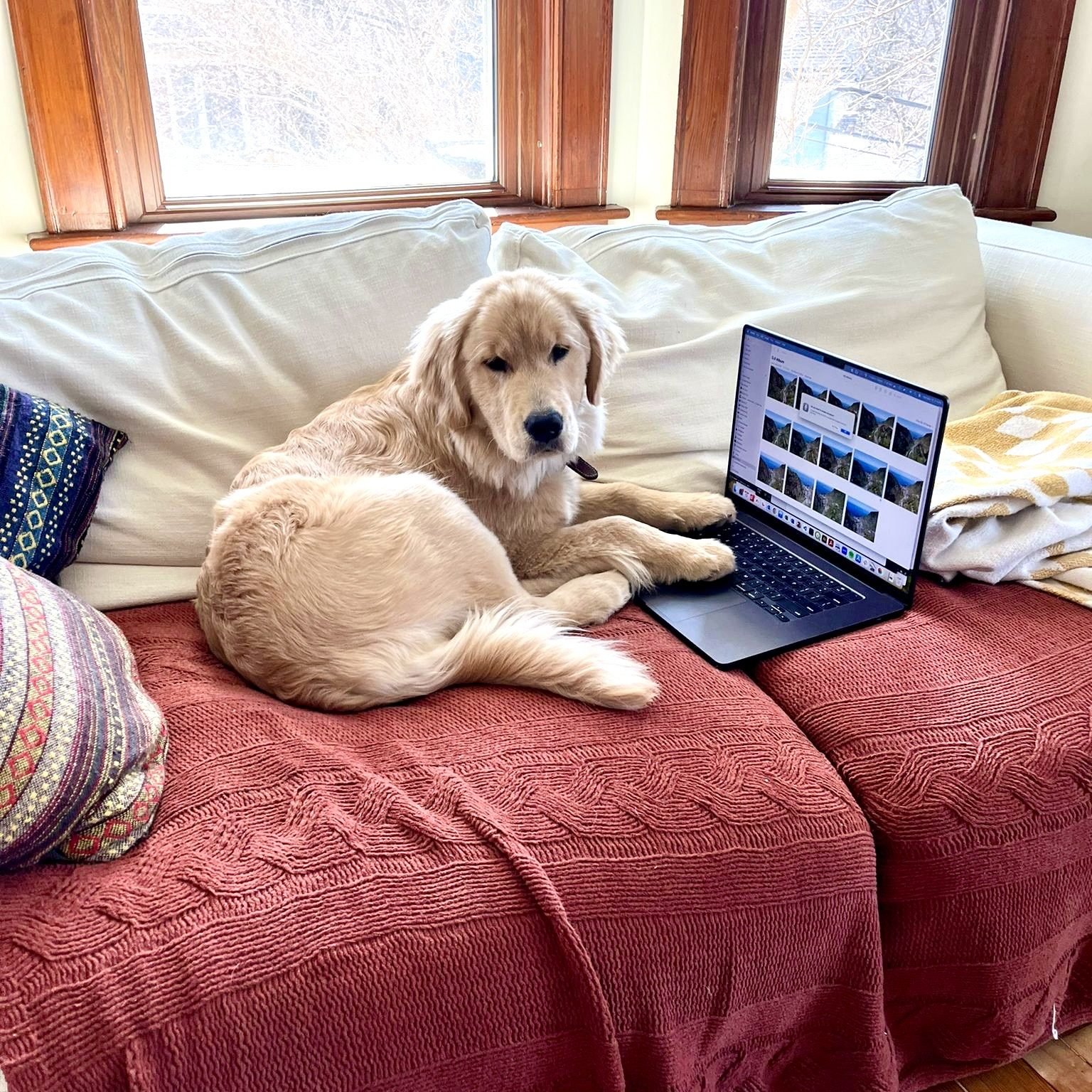
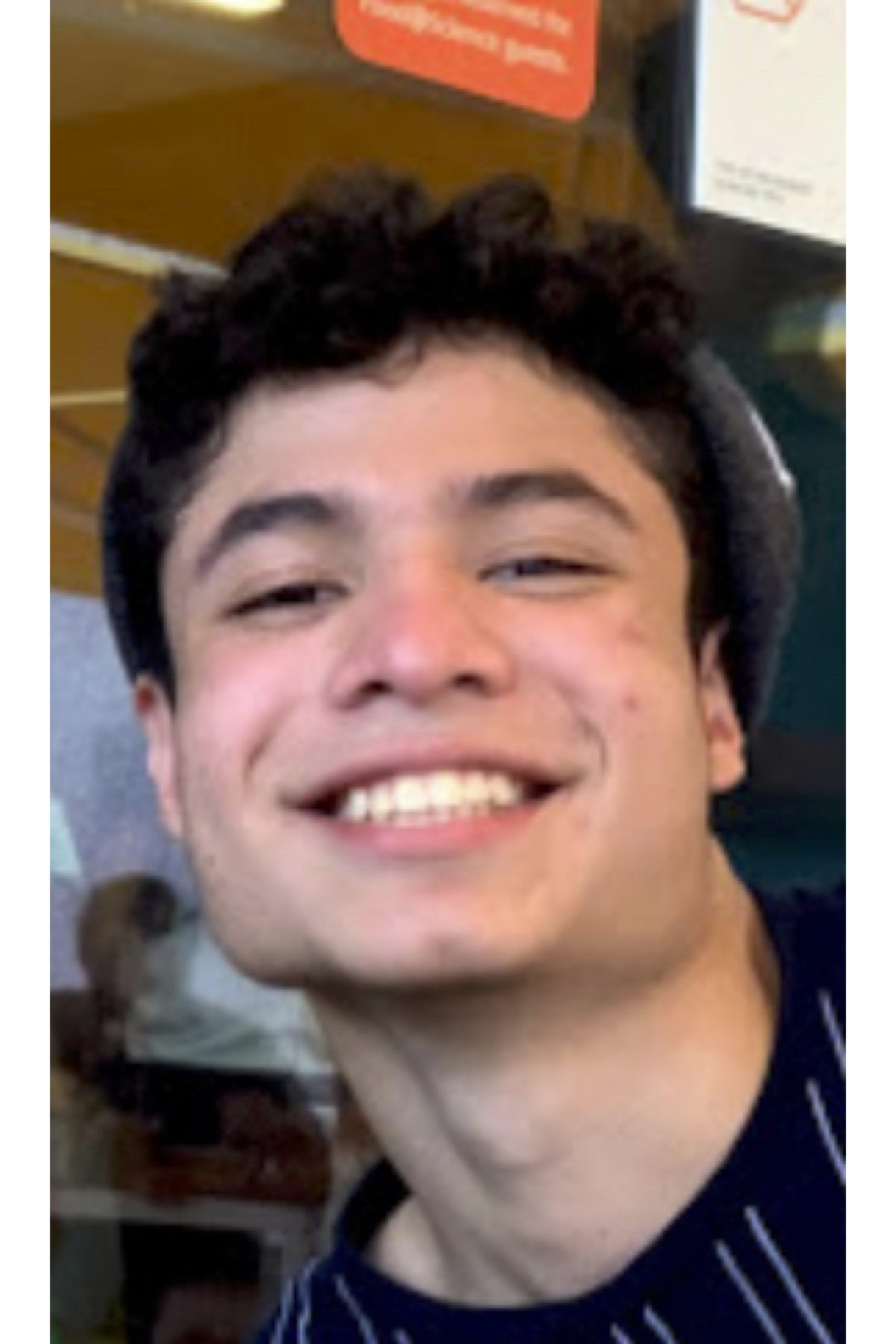
Io Mitchell de Quay

Io Mitchell de Quay

2024–

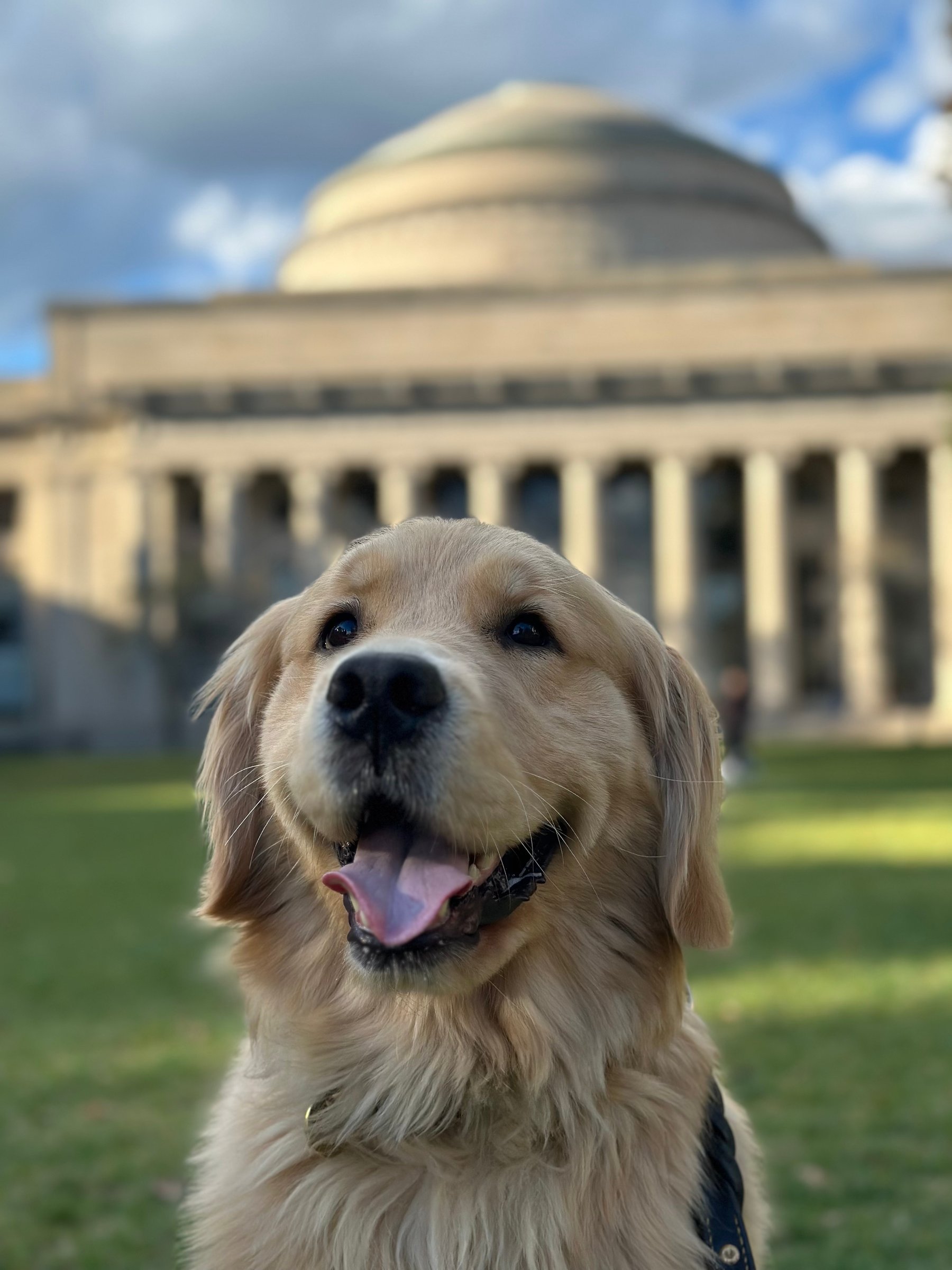
I don't know a lot about geomorphology or planetary science (despite my name), but I do enjoy sleeping, treats, chasing squirrels, and eating sticks. I can usually be found in my dad's office in 54-1022 or my mom's office in 54-510, if you ever want to stop by and discuss some ideas (= give me some attention).

Alumni

Postdocs

  • Mauricio Barcelos-Haag
    Mauricio Barcelos-HaagMauricio Barcelos-HaagMolina Postdoctoral Fellow (2025–2026)Project: How lithology and climate influence landscape evolution.Now: Assistant Professor at the University of Hawaiʻi at Mānoa (USA).
  • Chuanqi He
    Chuanqi HeChuanqi HePostdoctoral Associate (2023–2025)Project: Using flood outlets on Mars to constrain water cycles on Mars.Now: Associate Professor at Sun Yat-sen University (China).

Graduate students

  • Maurielle Noto
    Maurielle NotoMaurielle NotoMaster's student (2025–2026)Project: Global distribution of valley widths on Mars.

Visiting members

  • Deepali Singh
    Deepali SinghDeepali SinghVisiting Postdoc (2026)Project: Wet-dry cycles in Martian paleolakes.
  • Trent Thomas
    Trent ThomasTrent ThomasVisiting Student (2024)Project: Machine learning based tools to automatically map alluvial fans on Earth and Mars.
  • Vespera Luo
    Vespera LuoVespera LuoVisiting Student (2023)Project: Mapping hillslopes on Martian craters to determine early climate conditions (warm vs. cold).

Undergraduates

  • Mariangel Albornoz
    Mariangel AlbornozMariangel AlbornozUndergrad, MSRP intern (2026)Project: Calculating the volume of rock eroded by inlet channels on Mars, to better understand conditions on early Mars.
  • Amy Chen
    Amy ChenAmy ChenUndergrad (2025)Project: Flow accumulation and fluvial processes in terrestrial landscapes as a record of early Mars surface evolution.
  • Charlotte Whitworth
    Charlotte WhitworthCharlotte WhitworthUndergrad (2024–2025)Project: How impact cratering influences drainage density on Mars (UROP with Grace Fanson).
  • Peyton Musembi
    Peyton MusembiPeyton MusembiUndergrad/UROP (2025)Project: Measuring and dating landslides in the Valles Marineris region of Mars to reconstruct the past climate.
  • Kyra Smith
    Kyra SmithKyra SmithMSRP/Undergrad (2025)Project: Researching Martian impact craters, specifically how they modify over time and space.
  • Scout Painter
    Scout PainterScout PainterUndergrad/UROP (2023–2024)Project: Researching the relationship between climate and river morphology on volcanic islands in the Atlantic.
  • Lou Lahn
    Lou LahnLou LahnUndergrad/UROP (2024)Project: Analyzing the dry river beds of Lanzarote, Spain to determine the hydrological conditions necessary to form channel morphologies.
  • Olivia Avelino
    Olivia AvelinoOlivia AvelinoUndergrad/UROP (2023)Project: Analyzing correlations between stream order and different environmental factors globally.
  • Gabriel Vargas
    Gabriel VargasGabriel VargasUndergrad/UROP (2023)Project: Modeling the relationship between biodiversity and catchment systems globally.